Elevated Design Is Setting a New Standard
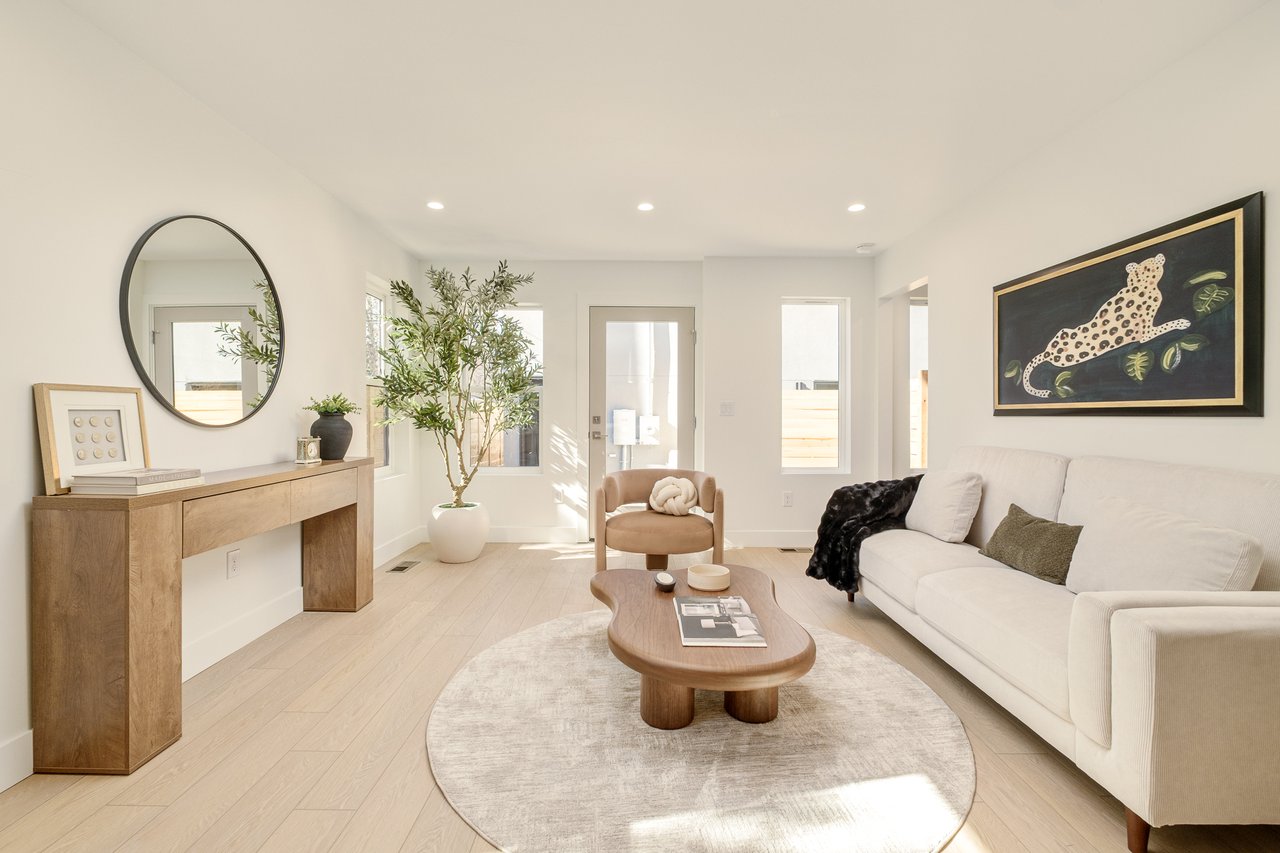
One of the most significant drivers behind this demand is design. Buyers in 2026 are no longer willing to settle for cookie-cutter layouts or outdated finishes. They want warm modern interiors with sculptural lighting, clean architectural lines, and cohesive materials that feel both timeless and forward-thinking. Elevated finishes, intentional room flow, and functional floor plans that support how people actually live are the new baseline. New construction gives buyers access to all of these elements without the compromises, renovation costs, or design limitations that older homes often require.
Energy Efficiency and Sustainability Are Non-Negotiable
Beyond aesthetics, energy efficiency and sustainability are playing a defining role in buyer decisions. Upgraded windows, smart thermostats, EV-ready garages, high-performance mechanicals, and sustainably sourced materials are no longer considered luxury add-ons. In 2026, they are expectations. Buyers want homes that perform as well as they look, and new construction delivers that performance from day one. This shift toward high-efficiency living also supports long-term value, reduced utility costs, and a smaller environmental footprint, all of which resonate deeply with today's most discerning buyers.
Infill Locations Offer the Best of Both Worlds
Location strategy has also evolved significantly. Developers are prioritizing infill sites in walkable, established neighborhoods that blend lifestyle with convenience. This means buyers can enjoy the benefits of brand-new construction while living in neighborhoods already known for culture, dining, connectivity, and community. It is a compelling combination: modern design, premium finishes, and the energy of a neighborhood that already has character and identity. For buyers who want to be part of something vibrant without sacrificing quality, infill new development offers a uniquely appealing path forward.
Transparency and Predictability Attract Today's Buyers
Another factor fueling demand is predictability. Purchasing a new build offers clarity in pricing, condition, and timelines that the resale market simply cannot always guarantee. Buyers who value transparency and want to minimize the unknowns of homeownership, including surprise repairs and deferred maintenance, respond strongly to the stability that new construction provides. For many, that peace of mind is just as valuable as the design and finishes themselves.
Denver's Next Chapter Is Being Built Right Now
In 2026, new development across Denver is not simply filling a gap in inventory. It is actively raising the standard for modern living. As the city continues to attract ambitious, design-forward buyers who expect more from their homes, new builds will play a defining role in Denver's next chapter. The developers, architects, and communities leading this movement are shaping a housing landscape that reflects where Denver is headed, not where it has been.
Frequently Asked Questions About Denver New Development
Why is Denver's new development market growing in 2026? Denver's new development market is growing because buyers are seeking modern design, energy efficiency, and move-in-ready homes in established neighborhoods. Increased demand for transparency in pricing and reduced maintenance obligations has also fueled interest in new construction across the metro area.
What features do Denver buyers expect in new construction homes? Denver buyers in 2026 expect warm modern interiors, clean architectural lines, elevated finishes, smart home technology, EV-ready garages, energy-efficient systems, and functional floor plans. Sustainability and long-term performance are also key priorities.
Where are developers building new homes in Denver? Many Denver developers are focusing on infill sites in walkable, established neighborhoods. These locations offer buyers the convenience of culture, dining, and connectivity alongside the benefits of brand-new construction and modern design.
Is new construction in Denver a good investment? New construction in Denver offers strong investment potential due to premium finishes, energy-efficient systems, lower maintenance costs, and location in high-demand neighborhoods. Buyers also benefit from pricing transparency and modern building standards that support long-term value.
How does new construction compare to buying an existing home in Denver? New construction provides move-in-ready quality with modern design, updated building codes, energy-efficient systems, and manufacturer warranties. Existing homes may require renovations or updates to achieve the same level of performance and aesthetic quality, which can add significant cost and time.
Rachel Gallegos is a Denver luxury real estate advisor and the founder of The Edit + Co, a team specializing in luxury resale and new development across the Denver metro area. For expert guidance on Denver's new construction market, connect with Rachel and the team at Compass Denver.