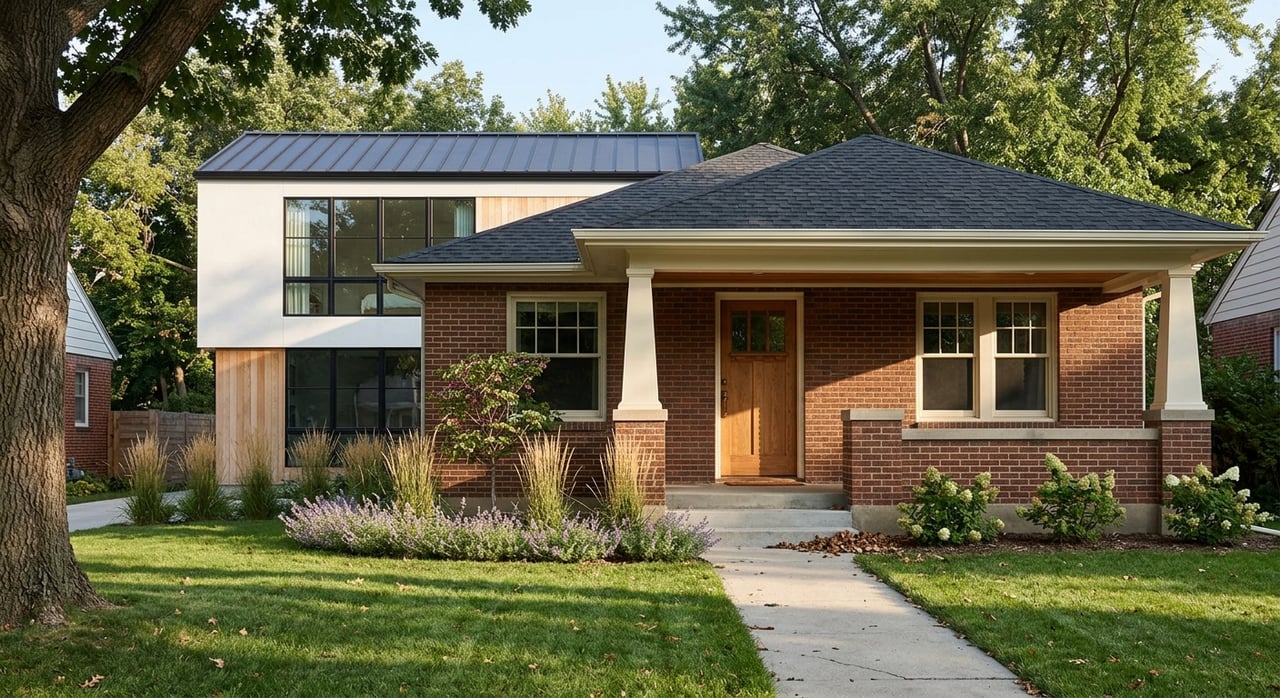
You do not choose between a Wash Park bungalow and a new build on style alone. In Washington Park, value is shaped by architecture, block position, renovation level, and how a home fits the way you actually live. If you are weighing historic charm against modern performance, this guide will help you understand what drives pricing, usability, and resale in one of Denver’s most premium neighborhoods. Let’s dive in.
Why Wash Park Holds Premium Value
Washington Park is anchored by one of Denver’s most recognizable public spaces, and that matters for both lifestyle and market perception. The park includes historic features like the Washington Park Boathouse, completed in 1913 as part of the City Beautiful project, and the park is listed on both the National Register of Historic Places and the Colorado State Register of Historic Properties.
Beyond its history, the park offers daily-use amenities that support long-term appeal. Denver notes multiple loop trails and a recreation center with a lap pool, pickleball court, gym, and low-stress bike access. For buyers, that combination of beauty, recreation, and central location helps explain why Wash Park continues to stand apart.
The current numbers reinforce that premium positioning. Realtor.com’s March 2026 snapshot shows a median listing price of $2.02 million in Washington Park, compared with $545,000 citywide in Denver and $1.125 million across the broader 80209 zip code. That spread suggests Wash Park is not just desirable, but a distinct high-value submarket.
Why Micro-Location Matters
Not every Wash Park address carries the same value story. Realtor.com shows meaningful price variation across nearby pockets such as Washington Park West, Broadway Heights, Bonnie Brae, and Electric Heights. That means the neighborhood name alone does not tell the full story.
In practice, buyers and sellers should pay close attention to exact block, lot setting, street feel, and the quality of renovation or construction. A beautifully updated home a few blocks from the park may compete differently than a larger home on a busier edge street. In Wash Park, nuance matters.
What Defines a Wash Park Bungalow
Bungalows are one of the housing types most closely associated with older Wash Park blocks. History Colorado describes Colorado bungalows as especially popular from 1900 to around 1930, typically with one or one-and-one-half stories, front porches, overhanging eaves, and simple horizontal lines.
That architectural language gives many bungalows a grounded, approachable feel. They often live around the front porch and main level rather than a tall vertical layout. For many buyers, that creates a strong sense of character that newer homes cannot fully replicate.
How Bungalows Live Day to Day
In simple terms, bungalows often feel compact and porch-centered. That is not a hard rule, but it is a useful shorthand when you are comparing floor plans and daily flow.
You may love a bungalow if you value original detail, a connected indoor-outdoor feel at the front of the home, and a sense of architectural history. At the same time, you should look carefully at storage, bedroom placement, ceiling heights, and how much finished space has been added over time. Character is real, but so is functionality.
Where Denver Squares Fit In
Denver Squares, also called American Foursquares, were popular in the Denver area from 1895 to 1930. History Colorado describes them as spacious, open homes, while Denver design guidance notes their boxy and generally symmetrical form, often with central entries and red brick or stucco exteriors.
Compared with bungalows, Denver Squares usually read as more vertical and formal. That can translate into clearer separation between living areas and bedroom levels, which some buyers prefer. If you want historic architecture but need a layout that can feel more structured, a Denver Square may offer a different kind of value.
Why Some Buyers Prefer Denver Squares
The appeal often comes down to volume and adaptability. Because of their shape and scale, Denver Squares may offer more flexibility for modern use than a smaller one-story bungalow, depending on the home’s condition and past updates.
Still, no two properties should be treated the same. In Wash Park, the best historic homes are not only beautiful on paper. They also make sense for your privacy needs, room count, storage expectations, and long-term renovation budget.
What Older Homes Can Cost You
Historic homes can be deeply rewarding to own, but they usually come with a different maintenance profile. The National Park Service preservation standards emphasize maintenance and repair of historic materials rather than broad replacement, which helps frame the reality of ownership.
A History Colorado account of a 100-year-old Denver Square described issues that buyers may encounter in older housing stock, including outdated kitchens, knob-and-tube wiring, foundation work, and peeling exterior paint. Those are not guarantees, but they are familiar themes in homes from this era.
Questions to Ask Before You Buy Older
Before you commit to a bungalow or Denver Square, consider these practical questions:
- Have key systems already been updated, or are major projects still ahead?
- Does the current layout work for your needs without a major addition?
- Are original materials in maintainable condition?
- What level of annual maintenance feels realistic for you?
- If you want to remodel, are you prepared for a more careful planning process?
For many buyers, the right historic home is worth the extra stewardship. The key is making sure the romance of the architecture matches your time horizon and budget.
What New Builds Offer in Wash Park
New builds and custom homes shift the value conversation. Instead of original character, the premium often comes from modern systems, comfort, efficiency, and a layout designed for current living patterns.
The U.S. Department of Energy says certified efficient new homes are designed as integrated systems that can deliver better comfort, efficiency, durability, and health. It also notes that air sealing and insulation are most cost-effective when they are built in during construction, and that newer windows and doors generally perform better than older ones.
Denver’s 2025 building and fire codes became effective on December 31, 2025 and apply to new projects submitted after that date. The city’s energy code incorporates the 2021 IECC, which gives buyers another reason to view newer construction through a performance lens, not just a style lens.
How New Builds Usually Live
Many buyers expect new construction to feel more open and connected. Denver’s landmark example of postwar modern residential architecture highlights open-plan living, broad glass, large decks, and stronger indoor-outdoor connections. That should be treated as a design reference rather than a rule for every new build, but it captures the direction many buyers are seeking.
If you prioritize natural light, cleaner mechanical systems, lower near-term maintenance, and a more seamless everyday layout, a new build may justify its premium. In Wash Park, those benefits can carry real value when paired with a strong location and thoughtful design.
Park Proximity and Price
Buyers often ask whether being closer to Washington Park is always better. The answer is more nuanced than many expect.
A review of 33 U.S. studies found that home values generally rose as proximity to a park increased, though homes immediately adjacent to a park sometimes captured a smaller premium than homes a block or two away. Larger parks also tended to have larger and farther-reaching premiums.
For Wash Park, that suggests the park likely supports value, but the exact premium depends on the home’s frontage, noise exposure, lot quality, renovation level, and block position. A home near the park is not automatically worth more than a better-executed home slightly farther away. Context matters.
Landmark Status Can Change Your Plans
If you are buying an older home with renovation ideas in mind, landmark status deserves early attention. Denver Landmark Preservation reviews demolition applications citywide and also reviews exterior work on designated local landmarks or historic districts.
That does not mean you cannot improve a historic property. It does mean you should verify status before assuming a teardown, major addition, or exterior redesign will be straightforward. In a neighborhood like Wash Park, that step can protect both your timeline and your budget.
How to Think About Resale Value
The strongest resale framing in Wash Park is not old versus new. It is fit versus future plans.
A well-located bungalow or Denver Square may hold strong appeal for buyers who want authentic architecture and are comfortable with updates over time. A new build may attract buyers who value modern systems, code-driven efficiency, and less near-term maintenance. Both can perform well when the home is well positioned for the likely next buyer.
A Simple Value Comparison
| Home type | Often appeals to buyers who value | Watch-outs to assess |
|---|---|---|
| Bungalow | Historic character, front porch lifestyle, original detail | Smaller footprint, older systems, renovation limits |
| Denver Square | Historic presence, more vertical layout, adaptable room structure | Maintenance needs, update costs, preservation constraints |
| New build | Modern layout, energy performance, lower near-term maintenance | Premium pricing, design quality varies by builder |
Which Option Makes Sense for You
If you want architectural character and are comfortable planning for maintenance, a bungalow or Denver Square may be the right fit. If you want ease, efficiency, and a layout that aligns with current living patterns from day one, a new build may be the smarter move.
In either case, the best purchase in Wash Park is rarely the one with the broadest category appeal. It is the one where design, condition, location, and long-term usability align. That is where lasting value tends to show up.
When you are comparing homes in a neighborhood this layered, it helps to evaluate them with both a design lens and a market lens. That is how you move beyond surface appeal and make a decision that feels smart now and later. If you want a strategic read on Wash Park inventory, private opportunities, or how a specific property’s architecture may influence value, connect with Rachel Gallegos.
FAQs
How much does park proximity affect home value in Wash Park Denver?
- Park proximity generally supports value, but the premium depends on the exact block, frontage, noise, lot quality, and renovation level. Homes a block or two away may sometimes compare favorably to homes directly on the park.
Are bungalows in Wash Park Denver harder to maintain than new builds?
- They can be. Older homes may involve issues such as outdated kitchens, older wiring, foundation work, or exterior repair needs, while new builds often offer lower near-term maintenance.
Can a Denver Square in Wash Park Denver be expanded for modern living?
- It depends on the specific property, its lot, prior renovations, and whether landmark or historic review affects exterior changes. You should confirm those details before assuming a major addition is feasible.
Do new builds in Wash Park Denver justify higher prices?
- They can, especially for buyers who prioritize modern systems, energy performance, updated codes, open layouts, and lower near-term maintenance. The premium makes more sense when the design and location are both strong.
Why do home prices vary so much within Wash Park Denver?
- Price variation reflects more than the neighborhood name. Micro-location, lot setting, street feel, renovation level, and the specific housing type all influence value.
What should you verify before remodeling a historic Wash Park home?
- You should verify whether the property is a designated local landmark or located in a historic district, since exterior work and demolition may require review through Denver Landmark Preservation.