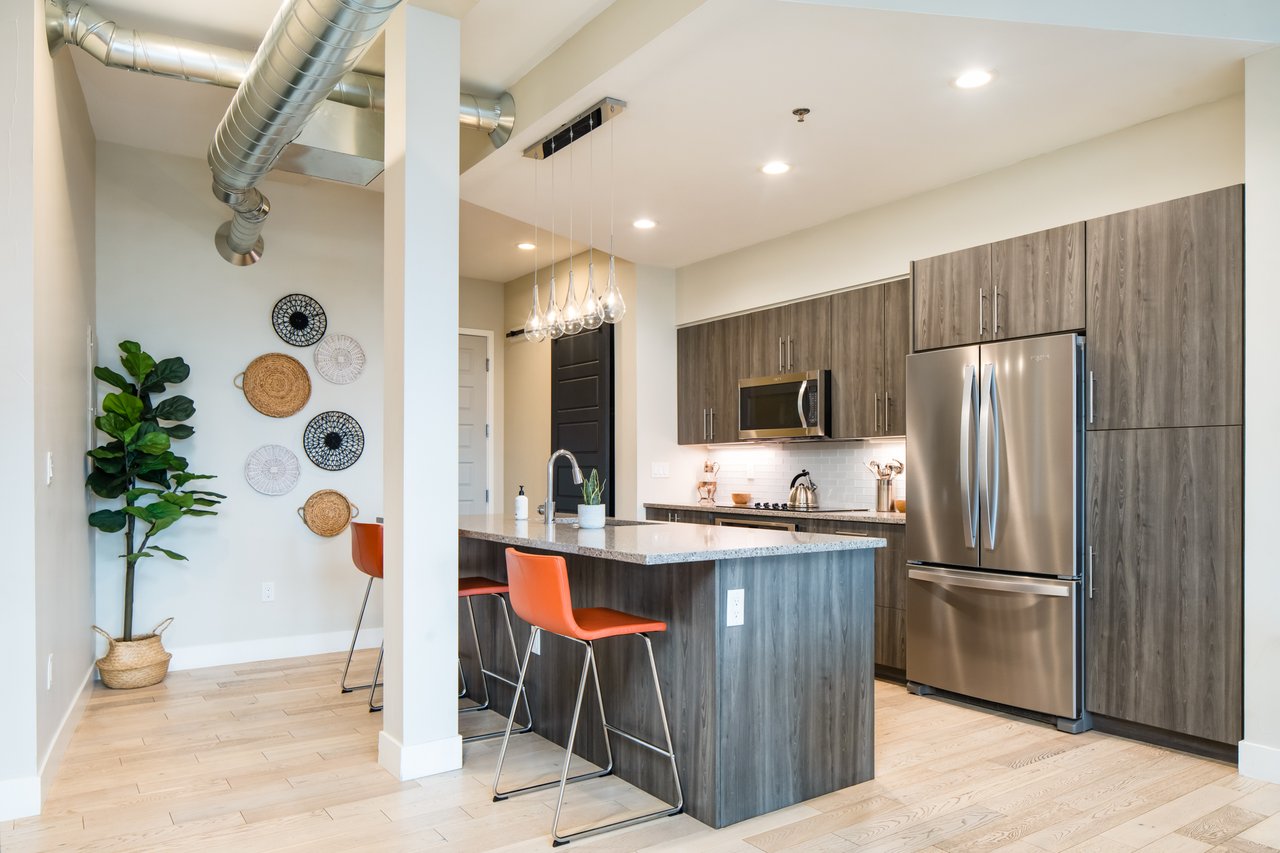
Love the raw brick and oversized windows you see around RiNo, but also tempted by the polish of a new condo? You are not alone. Choosing between a true loft conversion and a purpose-built condominium involves more than style. It affects light and sound, HVAC and windows, HOA rules and financing, and even resale. This guide breaks down the key differences in RiNo so you can match your lifestyle and budget to the right home. Let’s dive in.
What counts as a RiNo loft?
A true loft is a home created by converting a former warehouse, factory, or commercial building. Hallmarks include tall ceilings, large industrial windows, open floor plates, and often exposed structure and ductwork. Conversions must meet contemporary life-safety and building standards at the time of conversion, including egress and fire separation. For a deeper look at how adaptive reuse is approached, see the National Park Service guidance on adaptive reuse and rehabilitation standards.
- Learn more about adaptive reuse standards in the National Park Service’s rehabilitation guidance: adaptive reuse basics.
What counts as a RiNo condo?
A newly built condo is designed as residential from day one. Expect contemporary construction practices, standardized party walls and floor-ceiling assemblies, and mechanical systems planned for residential use. New condos also tend to include programmed amenities like lobbies, gyms, rooftop decks, and package rooms. Lenders and agencies evaluate purpose-built condo projects through specific project eligibility frameworks.
- See project-level eligibility frameworks from Fannie Mae and HUD’s FHA condo guidance.
Why RiNo has both
RiNo evolved from an industrial district into a creative hub with galleries, studios, and breweries. That shift brought both adaptive reuse and new development as housing demand grew near downtown. Mixed-use zoning and neighborhood momentum supported a blend of conversions and mid-rise condos.
- For neighborhood context, explore the RiNo Art District overview.
- For planning and code context, see City of Denver Community Planning & Development.
Design and livability differences
Ceiling height and natural light
- Lofts often deliver tall ceilings, commonly 12 to 18 feet or more, plus large industrial window walls that flood spaces with daylight. Mezzanines are common in true conversions.
- New condos typically offer 8.5 to 10 feet ceilings in most plans, with premium tiers reaching 10 to 12 feet. Windows use modern thermal frames and double or triple glazing to meet current energy codes.
- Practical takeaway: lofts tend to feel bigger and brighter, but window performance can vary by project and upgrade level.
Materials and visible systems
- Lofts emphasize raw materials and exposed structure with timber, steel, concrete, and visible ductwork. The look is authentic, yet it can complicate sound and thermal control if assemblies were not fully upgraded at conversion.
- New condos integrate finishes behind drywall and dropped ceilings, which helps with acoustic separation, insulation, and service access.
Sound and acoustics
- Sound travels differently in each product type. Architects use STC for airborne sound and IIC for impact sound. Good multi-family assemblies often target STC in the mid-50s or higher for quiet separation. Older conversions can sit closer to STC 40 to 50 unless upgraded. Large open plans and hard surfaces in lofts can also make interiors more “live.”
- New condos typically feature multi-layer assemblies and resilient underlayments to meet current acoustic expectations. Always test with your own ears at different times of day.
- For acoustic principles, see building science resources on STC and IIC basics.
HVAC and energy performance
- Lofts use retrofitted systems that may be individual or adapted from older central plant strategies. Performance varies by retrofit quality and age of equipment.
- New condos are built to current energy codes with planned distribution paths and modern HVAC types. Expect better air sealing, insulation, and window performance.
- Denver enforces code and life-safety standards for reuse and new construction, which sets baseline expectations for both paths. Explore process and code context with Denver Community Planning & Development.
Egress and life safety
- Conversions must meet residential requirements, including egress, fire separation, and alarms or sprinklers at the time of conversion. Solutions can vary by building and era.
- New condos use standardized life-safety systems and protected corridors consistent with residential occupancy codes.
HOA, ownership, and financing
Ownership and governance
- In Colorado, most condominiums, including many loft conversions, fall under the Colorado Common Interest Ownership Act (CCIOA). The legal form affects assessments, reserves, and rule-making.
- Verify the legal form in every building you consider. Some adaptive reuse projects may use alternative ownership structures.
- Review CCIOA with the Colorado General Assembly resource: Colorado Common Interest Ownership Act.
HOA documents to review
- Declaration and bylaws
- Current operating budget and latest reserve study
- Meeting minutes from the past 12 to 24 months
- Master insurance certificate and unit policy requirements
- Records of recent or pending special assessments and building repairs
Converted loft buildings can have fewer amenities and lower dues, but they may face bigger line items if older systems need repair. New condos tend to have formal transitions from developer to owners, more amenities, and dues that reflect maintenance of those shared spaces.
Financing and lender fit
- Lenders evaluate condo projects on owner-occupancy ratios, reserves, litigation, and certification status. Some buyers want FHA or VA options, which require project-level approvals.
- Small or atypical conversions may have limited lender choices or require conventional financing. Confirm early if you need FHA or VA.
- See HUD’s FHA condo project requirements and Fannie Mae’s project eligibility.
Insurance and risk
- Associations carry master policies that typically cover building structure. Unit owners carry policies that cover interior finishes and personal property. Determine whether the master policy is all-in or walls-out, and confirm deductibles.
- Conversions with unique materials or historic elements can have specialized underwriting. Ask your insurance professional for quotes during your inspection period.
Rules that affect lifestyle
- Rental, pet, and short-term rental policies are set by each association and must also comply with city rules. Denver requires licensing and registration for short-term rentals. Associations can be stricter than the city.
Amenities and lifestyle feel
- New condos in RiNo often include curated amenities like rooftop lounges, fitness centers, secure package rooms, dog-wash stations, and controlled access entries. That supports a turnkey, social lifestyle.
- Converted lofts vary widely. Many prioritize the industrial character and proximity to neighborhood culture over on-site programming. Some include shared roof decks or studios, but amenities are less standardized.
- Consider your daily rhythm. If you want community spaces and services on-site, a new condo likely fits. If you prefer character and the neighborhood as your amenity package, a loft may be the better match.
Resale considerations
- Character can command a premium among buyers who value authenticity. True lofts often appeal to a dedicated niche.
- Standardization and modern systems can widen the buyer pool for new condos, improving liquidity.
- Financing options matter for resale. FHA or VA approvals can expand your audience. Projects without approvals may sell more slowly or require conventional or cash buyers.
- HOA health influences buyer confidence and appraisals. Reserve strength, litigation status, and assessment history can all impact value.
Buyer checklist for RiNo
Documents and disclosures
- Declaration, bylaws, budget, reserve study, and insurance certificates
- Meeting minutes for the past 12 to 24 months
- Records of special assessments and major building work
- Owner occupancy ratios and rental policies
Physical walkthrough priorities
- Sound: visit at different times and listen for street noise and footfall from above
- Windows: check for drafts, condensation, and whether glazing is single or double
- Structure and ceiling: look for exposed mechanicals, penetrations, and any signs of water intrusion
- HVAC and hot water: note equipment age, service history, and distribution type
- Life safety: confirm sprinklers, alarms, and clearly marked egress routes
- Parking and storage: verify what is deeded and what is assigned
Transaction checks
- Confirm condo project eligibility if you need FHA or VA
- Verify pet, rental, and short-term rental rules, plus Denver licensing requirements
- Request a sample of recent utility bills to understand real-world costs, especially in lofts with large glass areas
Is RiNo right for you?
RiNo blends authentic industrial character with new, amenity-rich living. If you want soaring ceilings, raw materials, and large windows, a true loft could feel inspiring. If you prefer predictable comfort, better sound control, and on-site amenities, a new condo may fit your routine. Ground yourself with the documents, systems, and rules that will shape your day-to-day experience. For neighborhood background and creative roots, the RiNo Art District overview provides context for how this mix came to be.
Ready to compare real homes side by side and access opportunities before they hit the market? Connect with Rachel Gallegos for a calm, design-forward approach to RiNo lofts and condos, plus private listing access and tailored buyer representation.
FAQs
Are RiNo lofts noisier than new condos?
- Often yes, due to open plans and older assemblies that can have lower STC or IIC ratings; always test at different times and review any available acoustic specs.
Do older loft windows feel drafty in winter?
- Original industrial windows can have lower thermal performance unless upgraded; check glazing type, seals, and any retrofit history during due diligence.
Are HOA fees higher in condos than lofts?
- Not always; new condos often fund more amenities, while conversions may have fewer shared spaces but older systems to maintain, so compare budgets and reserves.
Can I use FHA financing for a RiNo loft?
- Possibly, but only if the project meets FHA condo approval; some smaller or atypical conversions lack approvals and require conventional financing.
What documents should I review before buying in RiNo?
- Request the declaration, bylaws, budget, reserve study, insurance certificates, recent meeting minutes, and any records of special assessments or major repairs.