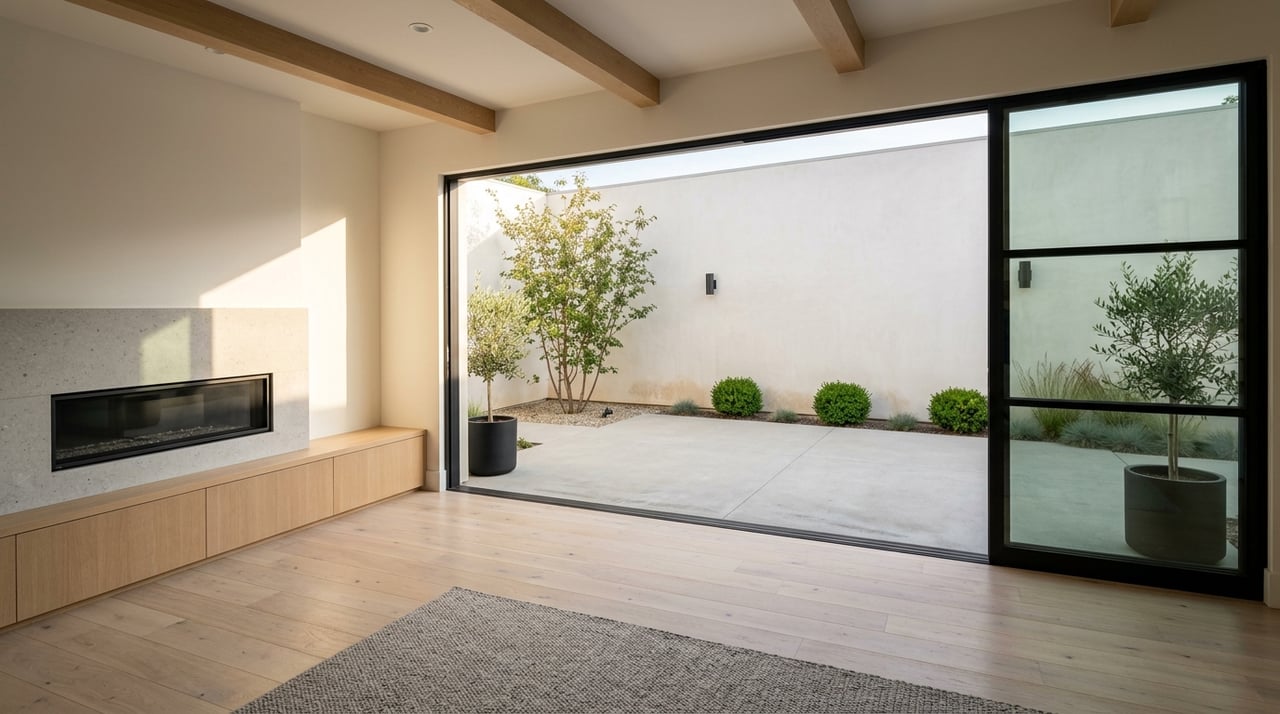
If you own a home in Hilltop, the remodel-or-rebuild question can feel bigger than square footage. You are not just deciding how to improve a house. You are deciding how your property fits a neighborhood shaped by tree-lined streets, varied architecture, and a zoning overlay that puts real weight on streetscape and lot pattern. This guide will help you think through the tradeoffs, spot the hidden constraints, and make a more strategic decision before you commit time and money. Let’s dive in.
Why Hilltop requires a different lens
Hilltop is bounded by Colorado Boulevard, Alameda Avenue, Holly Street, and 8th Avenue. Its identity has been shaped by its early subdivision pattern, annexation to Denver in 1893, and a long architectural history tied to broader city growth and change.
That matters because Hilltop is not defined by one house style. The neighborhood includes a mix of homes, and Denver Public Library notes that modernist architect Victor Hornbein designed many Hilltop residences. In other words, thoughtful contemporary design is already part of the area’s architectural story.
For that reason, the right decision is usually not “old versus new.” In Hilltop, the better question is whether your final result will feel well-scaled to the block, the lot, and the street.
Start with zoning before design
Before you compare budgets or floor plans, confirm what you actually own from a zoning perspective. Denver notes that a zone lot may differ from the subdivision lot and from the assessor’s tax parcel, so you should not assume your plat map and tax record tell the full story.
This is especially important in Hilltop because of the Hilltop Heritage Conservation Overlay District, also known as CO-1. Denver describes conservation overlays as area-specific zoning standards that can apply to exterior remodels, additions, and new construction.
These overlay rules can affect building form, site design, materials, and architectural standards. At the same time, Denver is clear that conservation overlays do not change permitted uses in the underlying zone district and do not prevent demolition.
That makes Hilltop’s overlay different from a historic district. In a conservation overlay, the main issue is zoning and form standards rather than a separate historic review board for demolition and exterior changes.
Why lot dimensions matter in Hilltop
In CO-1, zone lots that existed on July 21, 2000 can be amended or subdivided only if each resulting lot is at least 75 feet wide at the street setback line and at least 9,300 square feet, with a limited exception for certain larger lots. If you are thinking about redevelopment, lot strategy should be part of your earliest feasibility work.
Denver’s conservation overlay criteria also emphasize site-planning features like setbacks, lot platting, alleyways, sidewalks, parks, and gardens. That is a strong signal that lot rhythm and massing are central to what works in Hilltop.
When a remodel makes the most sense
A remodel is often the best path when the house has solid fundamentals and your goals can be achieved without forcing a larger structural move. If the plan is already efficient enough and the home still contributes to the street’s architectural character, remodeling can preserve what already works while improving function and finish.
This approach may also reduce disruption compared with a full scrape. If you can stay largely within the existing envelope, you may avoid some of the added complexity that comes with demolition, utility coordination, and rebuilding from the ground up.
From a design standpoint, remodeling can be especially compelling in Hilltop when the house already sits comfortably on the lot. If the frontage, scale, and roofline feel appropriate to the block, refining the home may create a better end result than overextending it.
Signs a remodel may be your best option
- The home has good bones and an efficient base layout
- Your needs can be met mostly within the current footprint
- The existing exterior already fits the block well
- You want to preserve architectural features that add character
- You want to limit demolition-related risk and timeline expansion
When an addition can bridge the gap
Sometimes you do not need a full rebuild. You just need more space in the right place. An addition can be the middle-ground solution when the lot can absorb more massing without overwhelming the home’s relationship to the street.
In Hilltop, however, additions are rarely just about square footage. Alley access, driveway placement, setback trees, and right-of-way conditions can all become hidden constraints that shape what is actually feasible.
That means the best addition projects start with massing discipline. The goal is not simply to add area, but to create a house that still feels balanced on the site.
Questions to ask before planning an addition
- Can the lot accommodate more mass without creating a bulky street presence?
- Will setbacks or right-of-way conditions limit the design?
- Are there trees in setback areas that must be retained or protected?
- Will driveway changes trigger additional review?
- Does the new volume still feel consistent with the block pattern?
When a rebuild becomes the strategic choice
A full rebuild becomes more compelling when the existing house is fighting you at every turn. Weak layout, structural limitations, or major systems issues can make renovation dollars less efficient, especially if the site itself supports a stronger long-term outcome.
In that scenario, rebuilding may let you solve the house all at once. You can rethink circulation, light, room placement, and the relationship between indoor and outdoor space instead of layering fixes onto a compromised structure.
Still, rebuilding in Hilltop is not just a design question. Denver’s demolition process involves multiple agencies and includes asbestos approval, utility cutoffs, tree protection, and neighbor notice. That adds cost, time, and process risk that should be priced in from day one.
Rebuild signals to watch for
- The current layout cannot be corrected without major structural intervention
- Core systems require extensive replacement
- The site has enough redevelopment value to justify a new build
- Your budget can support carrying costs and a longer timeline
- A new structure can be designed to fit the lot and block more successfully than the current house
Neighborhood fit matters as much as project scope
One of the biggest mistakes in Hilltop is treating the decision as a simple value equation between renovation cost and construction cost. In practice, the more important issue is how the finished home will sit within the neighborhood’s established scale and site pattern.
Denver’s overlay framework points directly to that idea. Its conservation criteria recognize lot coverage, setbacks, alleyways, sidewalks, and street layout as part of neighborhood character. In Hilltop, a successful project usually respects those patterns whether it is a remodel, an addition, or a rebuild.
For resale, that can matter just as much as age. Buyers often respond to a home that feels resolved and well placed on its lot, not just one that is larger or newer.
Build your feasibility team early
Denver says all zoning permit applications are reviewed by city staff, and the city recommends starting with a pre-application meeting. Some projects may also require public notice to registered neighborhood organizations, which is another reason early planning matters.
If your project may involve zoning, building, and sewer-use or drainage work, Denver allows simultaneous review when the full package is submitted together. That makes early coordination valuable because permit readiness affects schedule.
In practical terms, a strong Hilltop decision team often includes:
- An architect to study massing, lot fit, and conceptual design
- A builder to pressure-test cost and constructability
- A lender or financial advisor if financing or carrying costs will influence the decision
This is not just about getting plans drawn. It is about avoiding a false start on the wrong scope.
Key risks homeowners often underestimate
In Hilltop, the hidden issues often decide the project before the drawings do. Denver flags public right-of-way and utility conditions early, and new or modified driveway connections can trigger right-of-way review.
Tree protection can also be a major factor. Denver states that trees in primary or side-street setback areas must be retained and protected unless removal is authorized.
These conditions can affect where you build, how you stage construction, and what the final budget looks like. That is why early feasibility work is so important before you settle on remodel, addition, or rebuild.
A simple framework for the decision
If you are weighing options in Hilltop, start with a structured review instead of a gut call. A clear framework can save months of redesign and help you avoid overbuilding or under-planning.
Use these five questions first
- What is the actual zone lot? Do not rely on the tax parcel alone.
- Is the property in CO-1 or another overlay? Overlay rules may shape form and site design.
- How much of the existing house is worth preserving? Focus on layout, structure, and overall fit.
- What do site constraints add? Include trees, utility issues, driveway changes, and right-of-way review.
- What end product best fits the block? Judge success by neighborhood fit as much as interior gain.
When you work through those questions carefully, the right path often becomes clearer. The best Hilltop projects are usually the ones that match ambition with context.
If you are considering a remodel, addition, or rebuild in Hilltop, a strategic first look can make the whole process more efficient. Rachel Gallegos brings a design-aware, development-savvy perspective to evaluating site potential, neighborhood fit, and the path that best supports your goals.
FAQs
What is the Hilltop Heritage Conservation Overlay District in Hilltop, Denver?
- It is a Denver conservation overlay known as CO-1 that applies area-specific zoning standards to exterior remodels, additions, and new builds. It can affect form, site design, materials, and architectural standards, but it does not change permitted uses and does not prevent demolition.
Does the Hilltop conservation overlay stop demolition?
- No. Denver states that conservation overlays do not prevent demolition. They work through zoning standards rather than a separate historic review process.
Why does the zone lot matter for a Hilltop remodel or rebuild?
- Denver notes that the zone lot may differ from the subdivision lot and the tax parcel. That means what you can build may depend on parcel-specific zoning review rather than the records homeowners most commonly check first.
When does a Hilltop home addition make more sense than a full rebuild?
- An addition often makes sense when the lot can absorb more massing and the existing house still works well enough to build on. Alley access, driveway placement, setback trees, and right-of-way conditions should be reviewed early.
What should homeowners review before rebuilding a house in Hilltop?
- Start by confirming the actual zone lot, checking whether the property is in CO-1 or another overlay, evaluating how much of the existing house is worth preserving, and pricing in demolition, tree protection, utility, and right-of-way considerations.