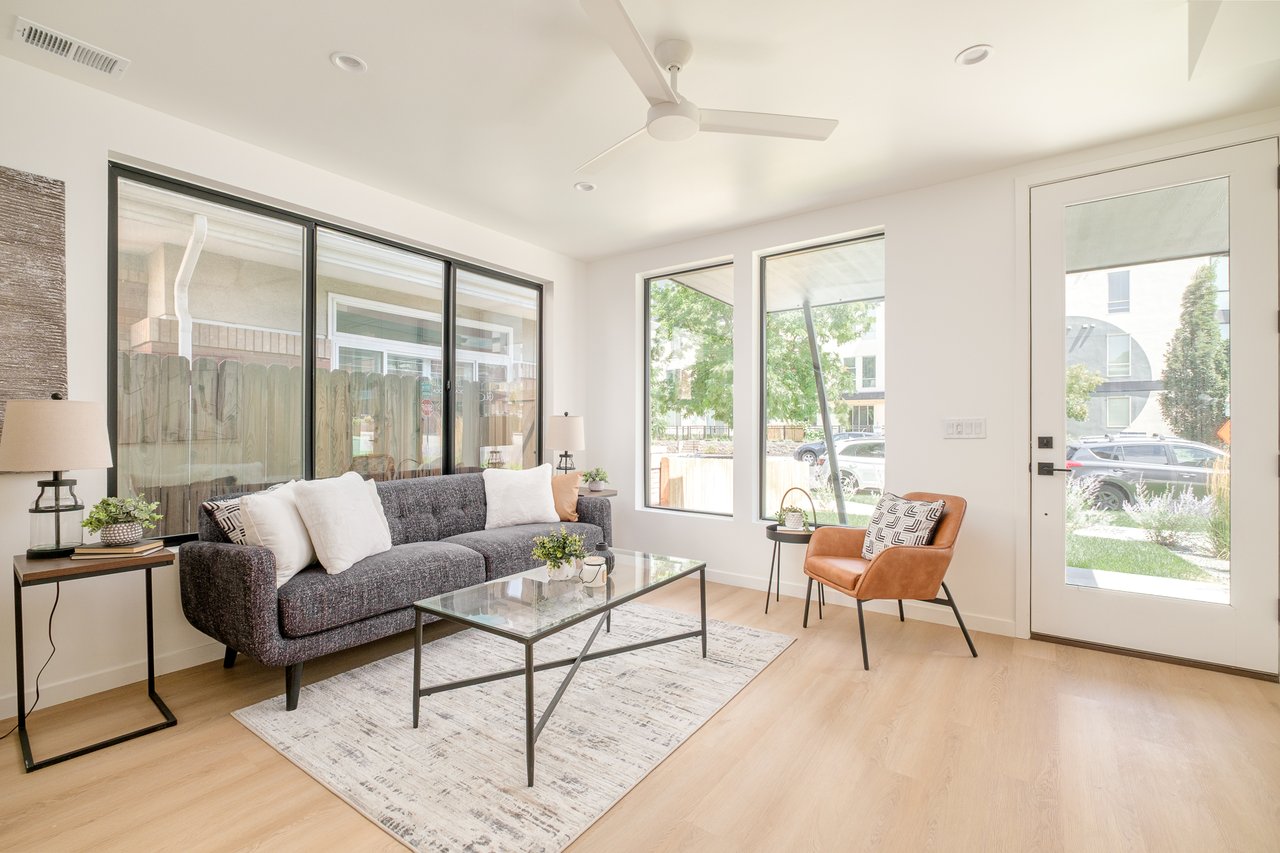
If you are selling in Cherry Creek, good condition is not always enough. Buyers here are often comparing your home to a neighborhood known for polished storefronts, strong design culture, and a highly visual lifestyle setting. When your home feels edited, cohesive, and well presented from the first photo to the final walkthrough, it can stand out more clearly. Let’s dive in.
Why presentation matters in Cherry Creek
Cherry Creek is one of Denver’s most design-visible neighborhoods. Visit Denver describes it as a district just minutes from downtown with more than 300 stores, 75 cafes and restaurants, 50 spas and salons, and five hotels. The Cherry Creek North area is also known for walkable blocks, dense urban energy, and tree-lined residential streets, which gives the neighborhood a curated feel.
That setting shapes buyer expectations. In a place where design, retail, and lifestyle are part of daily life, many buyers notice not just whether a home is updated, but whether it feels intentional. Your listing is competing in a market where visual quality matters.
The numbers support that need for strong positioning. Redfin’s March 2026 data for Cherry Creek shows a median sale price of $1,205,000, median days on market of 26, and a sale-to-list ratio of 97.6%. Redfin also describes the neighborhood as somewhat competitive, with some homes receiving multiple offers and hot homes going pending in around 6 days.
What design-savvy buyers notice first
Design-savvy buyers often make early judgments before they ever step inside. NAR’s 2025 staging survey found that 83% of buyers’ agents said staging made it easier for buyers to visualize a home as their future home. That matters in Cherry Creek, where buyers are often looking for a home that feels complete, not just functional.
The same survey found that the most important rooms to stage were the living room, primary bedroom, and kitchen. Those are usually the spaces where buyers decide whether the home feels elevated, comfortable, and ready for daily life. If those rooms feel flat or unfinished, the rest of the house can feel less compelling.
Photos also carry real weight. Buyers’ agents ranked listing photos, traditional staging, videos, and virtual tours as highly important to their clients. That means your launch should feel consistent across every touchpoint, from the first image online to the in-person showing.
There is also a gap between expectation and reality that sellers should take seriously. In NAR’s survey, 48% of respondents said buyers expected homes to look staged like TV homes, and 58% said buyers felt disappointed when real homes did not match that standard. In Cherry Creek, where the neighborhood itself reinforces a polished aesthetic, that disappointment can be magnified.
Focus on polish, not a full remodel
One of the most common seller questions is whether you need to take on a major renovation before listing. In most cases, the answer is no. Current Denver-area ROI data points to a smarter strategy: invest in the visible details that shape first impressions, and avoid expensive projects that are less likely to return what you spend.
DMAR’s 2025 Mountain-region ROI snapshot, published in its April 2026 report, shows strong cost recoup for several targeted projects. Garage door replacement came in at 236.1%, steel entry door replacement at 186.3%, manufactured stone veneer at 161.8%, a minor kitchen remodel at 110.3%, and vinyl siding replacement at 107.2%. By contrast, larger additions and upscale major remodels tend to recoup less.
For most Cherry Creek sellers, that supports a polish-first approach. Instead of opening the door to a long construction cycle, it often makes more sense to improve what buyers will see immediately in listing photos and on the first walkthrough. The goal is to make the home feel bright, edited, and move-in ready while preserving its architectural character.
Updates that usually make sense
These are often the most effective pre-listing improvements in a design-conscious market:
- Fresh paint in clean, neutral tones
- Floor repair, refinishing, or selective replacement
- Updated lighting with a consistent design language
- New or refined cabinet and door hardware
- Deep cleaning and decluttering
- Landscape cleanup and exterior touch-ups
- Minor kitchen or bath refreshing instead of full reconstruction
These updates tend to improve perceived value because they reduce visual friction. Buyers can focus on the home itself rather than a list of distracting details.
Start with the rooms that matter most
Not every room needs the same level of prep. If you want to use your time and budget wisely, start where buyers are most likely to form emotional and financial opinions.
According to NAR’s 2025 survey, the living room, primary bedroom, and kitchen are the most important spaces to stage. These rooms help buyers picture how the home lives day to day. They also tend to appear early and often in photography, video, and private showings.
Living room
Your living room should communicate scale, light, and ease. Furniture placement matters because it helps buyers understand flow and proportion. In Cherry Creek, a clean, minimal setup often works well because it supports the kind of editorial presentation buyers expect.
Primary bedroom
The primary bedroom should feel calm and spacious. Soft layers, clean surfaces, and restrained styling can make the room feel more architectural and less personal. Buyers should walk in and immediately understand it as a retreat.
Kitchen
The kitchen is where finish quality becomes especially visible. If a full remodel is not warranted, selective updates can still go a long way. Lighting, hardware, paint, fixture changes, and careful styling can help the space feel current without unnecessary overbuilding.
Tell a clear design story
In Cherry Creek, a listing should feel like more than a set of room photos and feature bullets. It should read like a coherent story about how the home looks, lives, and fits into the neighborhood. That is especially important in a district shaped by architecture, shopping, dining, and a strong visual identity.
NAR’s research supports a multimedia approach. Buyers’ agents placed high importance on photos, videos, and virtual tours, while sellers’ agents most often staged key gathering and private spaces before launch. That means the strongest campaigns are not pieced together at the last minute. They are planned so every visual element feels aligned.
A thoughtful launch usually includes:
- Room-by-room photography that highlights light, scale, and finish quality
- A logical image sequence that guides buyers through the home
- Styling that reflects the home’s architecture rather than competing with it
- Marketing copy that explains how the home lives, not just what it has
- A final presentation that connects the home to Cherry Creek’s walkable, design-conscious setting
When all of that works together, the home can feel more valuable because it feels more complete.
Staging can support value and timing
Sellers often ask if staging is really worth the effort. The available data suggests that it can be, especially when the target buyer is design-aware and comparison shopping online.
NAR found that 17% of buyers’ agents said staging increased the dollar value offered by 1% to 5%. The same survey found that 30% of sellers’ agents said staging slightly reduced time on market. While results vary by property and execution, the pattern is clear: staging can help buyers connect faster and perceive stronger value.
That does not mean every home needs a dramatic makeover. In many cases, restrained staging is more effective. A minimal, well-scaled approach can sharpen architecture, improve flow, and keep attention on the home’s best features.
Create a low-disruption launch plan
You do not need to live through a drawn-out remodel to prepare your home well. For many sellers, the better path is a short, focused prep period followed by a deliberate market launch. That approach is often easier on your schedule and more effective for maintaining momentum.
Compass Concierge supports that type of workflow by fronting the cost of eligible home-improvement services with zero due until closing. Covered service categories include staging, flooring, painting, landscaping, deep cleaning, decluttering, cosmetic renovations, and kitchen or bathroom improvements. For sellers who want to improve presentation without a large upfront payment, that can remove friction.
Compass also offers pre-market options that can help shape the launch. A Private Exclusive can generate early buyer demand and pricing insight before the home accrues public days on market or a public price-drop history. Coming Soon can broaden exposure while final work wraps up.
For Cherry Creek sellers, that can create a smarter sequence:
- Identify the highest-impact cosmetic updates.
- Complete staging, cleaning, and visual prep.
- Test interest through private exposure when appropriate.
- Launch publicly with polished photography and a cohesive story.
This kind of planning can help you avoid a rushed listing while also avoiding the drag of a prolonged prep period.
Position the home within Cherry Creek
A great Cherry Creek listing is not only about the house. It is also about showing why the home belongs in this specific neighborhood. Buyers are not simply purchasing square footage. They are responding to the full setting, including walkability, design energy, retail access, dining, and the neighborhood’s established visual identity.
That is why the final presentation should feel locally aware. The home should be shown as part of a curated district with strong architectural standards and an active lifestyle backdrop. In a neighborhood that Denver identified as one of its highest revenue-generating areas, and one with intense development activity, buyers are often bringing high expectations to every comparison.
The most effective strategy is usually simple: respect the home’s character, refine the details buyers notice first, and bring it to market with a calm, intentional plan. That is how you position for design-savvy buyers without over-improving or overcomplicating the process.
If you are thinking about selling in Cherry Creek and want a prep strategy that balances design, timing, and return, Rachel Gallegos can help you shape a launch that feels polished, efficient, and true to your home.
FAQs
What matters most when selling a home in Cherry Creek?
- In Cherry Creek, presentation matters because buyers are often comparing homes in a design-conscious neighborhood where polished visuals, strong first impressions, and cohesive marketing can influence perceived value.
Which rooms should you stage before listing a Cherry Creek home?
- Based on NAR’s 2025 staging survey, the top staging priorities are the living room, primary bedroom, and kitchen.
Do you need a full remodel before listing a Cherry Creek property?
- Usually not. Denver-area ROI data supports prioritizing smaller, visible improvements and minor remodels over major additions or upscale full-scale renovations.
Is staging worth it for a Cherry Creek home sale?
- NAR survey data suggests staging is often worthwhile because it helps buyers visualize the home, may improve perceived value, and can slightly reduce time on market.
How can you prepare a Cherry Creek home without a long construction process?
- A focused plan that uses cosmetic updates, cleaning, decluttering, and staging, combined with Compass Concierge and pre-market launch options when appropriate, can help reduce disruption.
How should you market a home to design-savvy buyers in Cherry Creek?
- The strongest approach is usually a clear design story supported by professional photos, video, thoughtful staging, and marketing that connects the home to Cherry Creek’s walkable and visually polished setting.