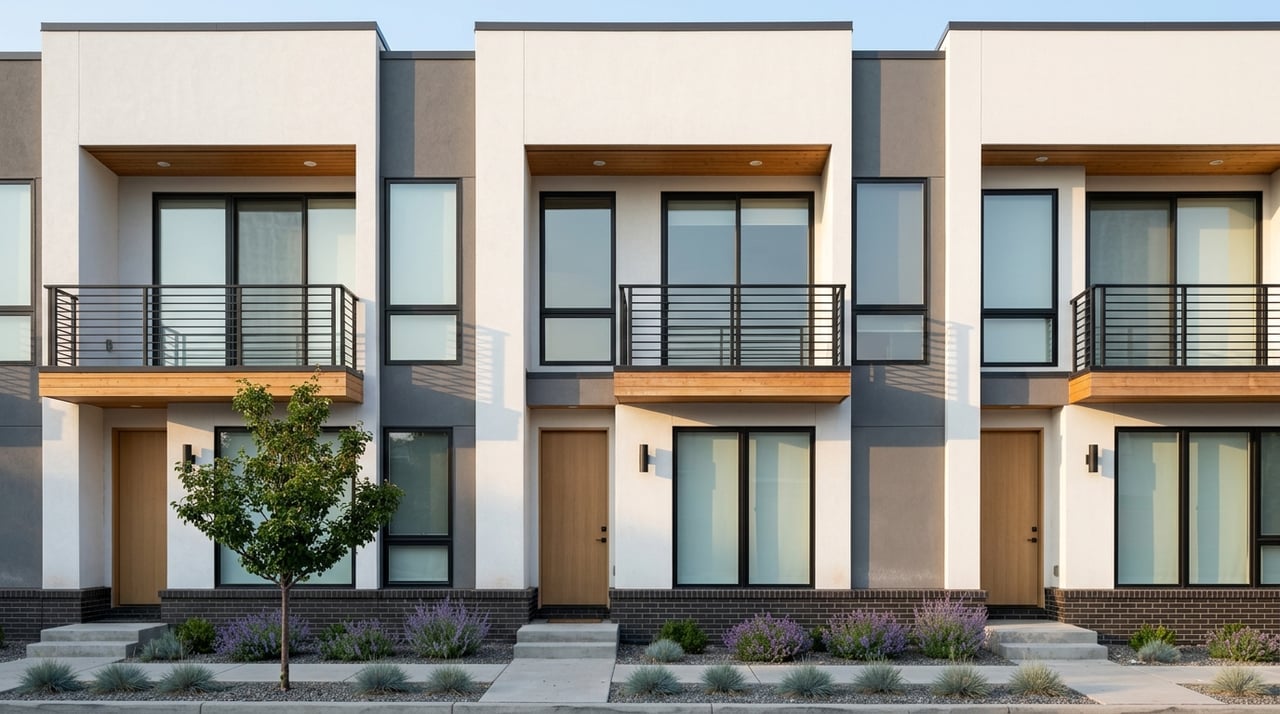
Wondering what it really takes to plan a successful residential development in RiNo? In River North Art District, density alone is not enough. If you are evaluating a site, shaping a unit mix, or thinking through positioning, you need a plan that fits the district’s design expectations and the way today’s buyers actually live. This guide walks you through the key planning signals in RiNo so you can make smarter early-stage decisions. Let’s dive in.
Understand RiNo's Development Framework
RiNo is not just a Denver neighborhood with new construction activity. It is a nonprofit arts district founded in 2005 that spans parts of Globeville, Elyria-Swansea, Five Points, and Cole. Its 2022 to 2027 strategic plan emphasizes an inclusive arts district, affordable creative and small-business space, and public-realm investment tied to art, infrastructure, mobility, and green initiatives.
That matters because new residential development is expected to do more than add homes. RiNo’s design standards call for projects that reinforce the district’s industrial character, integrate art, support pedestrian activity, and treat open space, stormwater, and materials as part of the design from the start. In other words, successful projects tend to feel connected to place rather than interchangeable.
If your site is near 38th and Blake, the planning context becomes even more specific. Denver’s station-area planning work supports taller buildings near the station, but only when that height is paired with stronger design quality, transitions to surrounding context, public art, street trees, seating, green infrastructure, affordability, and less auto-dependent mobility.
Start With the Right Product Type
Recent RiNo projects show a clear pattern in what is being built. Efficient urban homes continue to lead the market, especially studios, one-bedroom units, and two-bedroom units, often supported by a focused set of amenities. Larger homes exist in the mix, but they are usually part of a broader product strategy rather than the entire story.
Examples across the district reinforce that approach. One River North was designed with 187 units ranging from studios to three-bedrooms, while Flora offers 92 condo-grade residences from studio to three-bedroom layouts. NOVEL RiNo and 3850 Blake follow a similar pattern with compact urban plans, structured parking, and strong shared amenity spaces.
For a small- to mid-size developer, this suggests an important takeaway. In RiNo, broad appeal often comes from a disciplined unit mix rather than oversized plans alone. Buyers appear to respond well to homes that feel efficient, functional, and tied to a lifestyle package that supports urban living.
Prioritize Outdoor Space Early
In RiNo, outdoor space should not be treated as leftover square footage. The district’s design standards emphasize both public and private open space, river connectivity, and pedestrian activation. That same priority shows up in the projects currently competing for attention.
Across recent developments, outdoor living is part of the core product. Rooftop terraces, balconies, courtyard gardens, private parks, roof decks, and open-air amenity environments appear again and again. This points to a simple but important planning principle: buyers in RiNo seem to value outdoor areas that extend daily living, not just decorative spaces added for marketing.
That means early design decisions matter. A shared roof deck with meaningful gathering space, a usable courtyard, or private terraces on select units can shape buyer perception long before a project launches. In a dense urban district, outdoor space often helps justify pricing and differentiate one building from the next.
Keep Parking in the Background
Parking still matters in RiNo, but it should not dominate the architecture. The district’s design standards call for minimizing the visual impact of parking, wrapping street-level parking with active uses, screening upper levels, and encouraging EV charging. Recent projects follow that pattern through structured parking, below-grade garages, and tuck-under garage solutions.
This is an important planning signal for residential development. Buyers may still want parking and storage, but they do not want the street experience to feel driven by garage doors or exposed podiums. Projects tend to perform better when parking supports the lifestyle without becoming the defining visual feature.
For infill developers, that often means treating parking as a design problem to solve elegantly. If the parking solution disappears into the architecture and allows the street edge to stay active, the project is more aligned with both district expectations and market taste.
Build Around RiNo Lifestyle Amenities
Amenity expectations in RiNo are now fairly consistent. Coworking space, fitness areas, pet support, bike storage, social lounges, and rooftop gathering space show up repeatedly in current inventory. These are not random extras. They reflect the way many buyers want to live in this part of Denver.
The common thread is flexibility. Residents appear to value a car-light lifestyle, work-from-home functionality, and social spaces that complement smaller private interiors. That means amenities should work hard and feel intentional.
Instead of overloading a project with every possible feature, it may be smarter to choose a few that clearly fit the target buyer. A well-designed coworking lounge, secure bike storage, and a memorable rooftop may do more for absorption than a long list of underused spaces. In RiNo, quality and relevance often matter more than sheer quantity.
Use Design Language That Fits the District
RiNo’s strongest projects tend to feel materially grounded in the neighborhood. The district’s standards encourage industrial references, visible structure, human-scale massing, street-oriented entries, active ground floors, and selective contrast instead of imitation. The goal is not to copy old warehouse buildings exactly, but to design with enough contextual awareness that the project feels at home in RiNo.
Ground-floor transparency is especially important. Multiple street-facing entries, clustered storefront bays, and active uses at the base help create the pedestrian energy the district is trying to preserve and expand. Parking façades should be screened or wrapped in materials that fit the rest of the building.
This has practical value beyond design review. Projects with a strong sense of place are easier to position in the market. When architecture, materials, and public-realm design tell a coherent story, buyers are more likely to see the development as distinctly RiNo rather than generic new construction.
Plan for a Real Neighborhood Contribution
RiNo rewards density, but not density in isolation. The strongest planning outcomes happen when residential development also contributes something meaningful to the public realm. That can include public art, better pedestrian edges, seating, green infrastructure, or neighborhood-serving retail and food-and-beverage space where appropriate.
This is especially relevant for mixed-use and transit-oriented infill. The 38th and Blake planning work makes clear that additional intensity should come with better design quality and less auto-dependent mobility. If a project improves the sidewalk experience and adds something useful or memorable to the street, it is more aligned with how RiNo is evolving.
For developers, this is not just a compliance issue. It is also a market advantage. A building that participates in neighborhood life tends to feel more valuable than one that turns inward.
Watch Pricing in the Attached Market
Product planning in RiNo should also reflect the current attached-home market. According to DMAR reporting cited in the research, Metro Denver’s townhouse-condo segment has softened relative to the detached market. In February 2026, the townhouse-condo median sales price was $371,500, down 7.1 percent year over year, with days on market up 6.5 percent.
There is another caution signal at the top of the market. In January 2026, DMAR also noted that attached homes above $1 million were seeing longer market times and elevated inventory. For RiNo, that suggests premium attached product needs disciplined pricing, meaningful differentiation, and an amenity package that clearly supports the asking price.
That does not mean high-end product cannot succeed. It means the project needs a sharper story. If you are bringing luxury condos or elevated townhomes to market, design quality, outdoor living, storage, parking execution, and a clear lifestyle fit become even more important.
Focus on One or Two Clear Differentiators
For a small- to mid-size development, the smartest formula in RiNo may be surprisingly simple. Pair an efficient unit mix with one or two standout features that feel specific to the site and the district. That could be a roof deck with real utility, a landscaped courtyard, a river-facing open space, a strong art integration strategy, or flexible workspace that reflects how buyers live now.
Recent pipeline activity supports that approach. Projects that attract attention tend to combine practical floor plans with memorable shared spaces, wellness-oriented features, and neighborhood-serving elements. The key is to avoid trying to compete on every front at once.
A focused concept usually creates a clearer market position. It can also support better design decisions, cleaner budgeting, and a more compelling launch narrative when it is time to bring the homes to market.
Key Questions to Ask Before You Advance
Before you move too far into design or underwriting, it helps to pressure-test the basics:
- Does the unit mix match current RiNo demand for efficient urban homes?
- Is outdoor space a core feature of the plan, not a late addition?
- Does the parking strategy stay visually quiet and support an active street edge?
- Are the amenities tailored to car-light, work-from-home urban living?
- Does the architecture reflect RiNo’s industrial and pedestrian-oriented character?
- Is there a meaningful public-realm or neighborhood contribution?
- If the project includes 10 or more units, have you accounted for Denver’s affordable housing linkage fee or on-site affordable housing requirement?
- Is the pricing strategy realistic for today’s attached-home conditions?
These questions can save time and reduce repositioning later. In RiNo, the early decisions often do the most to shape eventual sales performance.
Thoughtful planning in RiNo calls for more than reading zoning and counting units. You need a product that fits the district, a design story that feels authentic, and a go-to-market strategy that matches current buyer behavior. If you are evaluating a site or shaping a new residential concept in River North Art District, working with an advisor who understands both development and buyer psychology can make the process far more strategic. To start that conversation, connect with Rachel Gallegos.
FAQs
What makes a residential development fit RiNo?
- A strong RiNo fit usually includes industrial-inspired design language, active street-facing ground floors, integrated art, usable open space, pedestrian-friendly planning, and parking that does not dominate the building.
What unit types are common in RiNo residential projects?
- Recent RiNo projects most often feature studios, one-bedroom units, and two-bedroom units, with some three-bedroom homes included as part of a broader mix.
Why is outdoor space important in RiNo development planning?
- RiNo design standards and current project offerings both show that balconies, rooftop terraces, courtyards, and other usable open spaces are central to buyer appeal in the district.
How should parking be handled in a RiNo project?
- In RiNo, parking is typically expected to be discreet through structured, below-grade, or tuck-under solutions, with active uses or compatible materials helping reduce its visual impact on the street.
What amenities do RiNo buyers seem to want most?
- Current inventory suggests buyers value coworking areas, fitness spaces, bike storage, pet support, social lounges, rooftop gathering areas, and practical storage tied to an urban lifestyle.
What should developers know about affordability rules in RiNo?
- In Denver, projects with 10 or more units trigger either an affordable housing linkage fee or an on-site affordable housing requirement, so that obligation should be built into planning early.
Is luxury attached housing in RiNo still viable?
- It can be, but the attached market has softened, and higher-priced attached homes have seen longer market times and more inventory, so premium product needs clear differentiation and disciplined pricing.