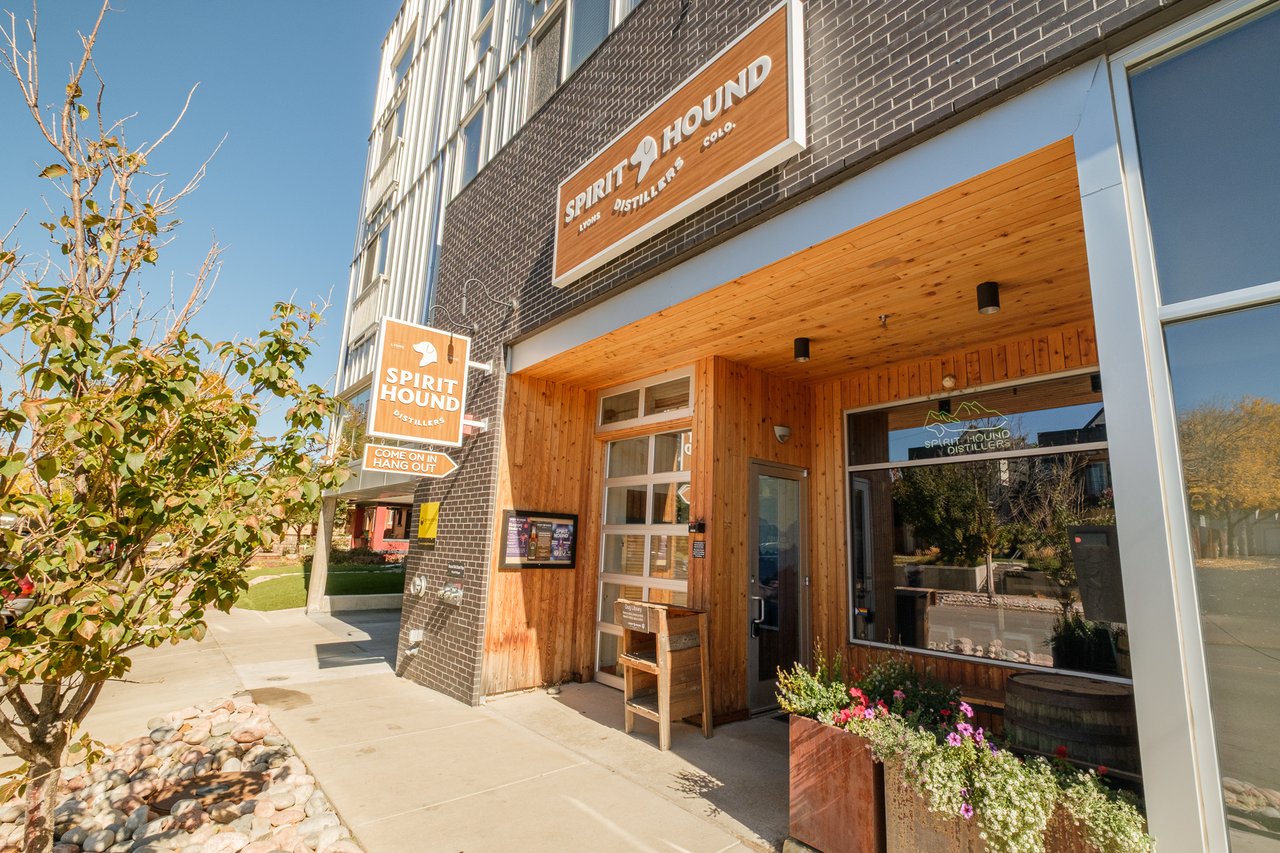
If you want Denver living that feels plugged in from the moment you step outside, LoHi deserves a close look. This is a part of 80211 where design, dining, and downtown access shape daily life in a very visible way. Whether you are exploring a move, narrowing your search, or thinking about long-term value in a central neighborhood, understanding how LoHi lives on the ground can help you make a smarter decision. Let’s dive in.
Why LoHi Stands Out
LoHi, short for Lower Highland, is the downtown-facing pocket of the broader Highland neighborhood. It is widely described as a place where older buildings and ultra-modern architecture sit side by side, giving the area a layered and distinctly urban feel.
That mix matters because LoHi does not read like a one-note neighborhood. Instead, it feels design-forward, active, and visually varied, with a strong connection to central Denver. If you are drawn to city energy, architectural contrast, and a neighborhood that feels current without being uniform, LoHi tends to stand apart.
Walkable Dining Defines Daily Life
One of LoHi’s biggest lifestyle strengths is how much you can do on foot. The neighborhood is one of Denver’s strongest small-area dining districts, with Eater’s 2026 guide highlighting 17 restaurants in LoHi alone across a wide range of cuisines.
Visit Denver also points to a well-known cluster of destination spots that help define the area, including Linger, El Five, Root Down, Avanti Food & Beverage, Ash'Kara, Bar Dough, The Family Jones Spirit House, and Alma Fonda Fina. For buyers who care about convenience and experience, that concentration of restaurants, bars, and gathering places becomes part of everyday living, not just a weekend perk.
Rooftops And Skyline Views
LoHi’s identity is tied closely to elevated dining and city views. El Five, for example, is known for its open-air patio and skyline setting five floors above the neighborhood, and Visit Denver regularly frames LoHi around rooftop seating, cocktails, craft beer, and downtown-facing views.
That creates a lifestyle rhythm that feels distinctly urban. Morning coffee can turn into a quick lunch nearby, and dinner can mean a rooftop table with the skyline in view. In practical terms, you are not just buying a home here. You are buying into a pattern of daily access and ease.
Local Retail Adds Texture
Dining may get the headlines, but nearby retail gives the neighborhood more day-to-day depth. The 32nd Avenue corridor, described as the village at the heart of Highland, includes more than 60 local businesses across restaurants, shops, bars, coffee, health and wellness, and home and garden.
That broader retail layer supports the design-minded feel many buyers notice in LoHi and Highland. Local names in the district include Happy Bakeshop, Cerebral Brewing, Highland Tap & Burger, Metalmark Fine Jewelry, Mondo Vino, and West Side Books. For someone who values walkable errands and independent businesses, that mix adds substance to the neighborhood experience.
Design Is Part Of The Appeal
LoHi’s housing story is about more than age or style alone. The broader Highland area includes Victorian-era homes and buildings, while LoHi is known for a mix of old and ultra-modern architecture. That contrast creates a streetscape that feels layered rather than master-planned.
From a buyer’s perspective, this usually means you may encounter detached homes, duplexes, townhomes, and newer infill close together. Denver’s zoning code includes forms such as urban house, duplex, row house, garden court, town house, and apartment, and the city’s planning framework has long emphasized a balanced mix of housing types.
What Homes Often Feel Like
In LoHi, the feel of the housing stock is often as important as the category. The area tends to favor smaller footprints, attached urban forms, and newer buildings mixed with older homes. In many cases, the design priorities lean toward urban convenience, architecture, and efficient living rather than larger yards.
That can be a strong match if you value low-maintenance living and thoughtful design. It may be less aligned if your top priority is lot size, separation, or a quieter, more single-use residential setting. LoHi’s appeal is rooted in proximity, energy, and visual character.
Downtown Access Is A Real Advantage
LoHi’s relationship to downtown is one of its defining features. Denver’s Downtown Area Plan notes that three pedestrian bridges connect Downtown with the Highland neighborhood to the northwest, which helps explain why LoHi often feels tied to the urban core instead of set apart from it.
For many buyers, that connection changes how the neighborhood functions. A shorter walk or bike ride into central Denver can shape work routines, dining plans, and weekend habits. If you want city access without being in the middle of the downtown core itself, LoHi offers a compelling middle ground.
Walkability And Bike Access
Walk Score rates Highland at 85 out of 100 and labels it very walkable. It also gives the neighborhood a bike score of 89 and notes about 163 restaurants, bars, and coffee shops in the broader area.
Because LoHi sits within Highland and closer to downtown than much of the neighborhood, those numbers support what many people already sense when they spend time there. This is a place where walking and biking can play a real role in how you move through the day.
Trails And Nearby Open Space
Even with its urban feel, LoHi is not only about buildings and restaurants. The Near Northwest Area Plan says the South Platte River Trail and Inca Street Trail run along the southeastern boundaries of Highland and Jefferson Park, creating off-street pedestrian and bicycle connections to nearby destinations and parks.
Visit Denver also points to nearby Confluence Park and Sloan’s Lake Park as part of the wider Highland experience. That means you can pair city access with time near the water, walking paths, and broader views, which helps balance the neighborhood’s density with nearby outdoor options.
Who LoHi Fits Best
LoHi tends to resonate with buyers who want an active, restaurant-rich, design-conscious urban neighborhood. The appeal comes from the density of dining, the mix of architectural styles, the skyline views, and the ease of getting into downtown.
In lifestyle terms, this is often a fit if you picture your week including coffee runs on foot, dinner reservations close to home, and a more connected city routine. Buyers who value modern townhomes, contemporary cityhomes, historic character, or infill housing often find that LoHi aligns well with how they want to live.
Understanding The Tradeoffs
Every neighborhood has tradeoffs, and LoHi is no exception. Its strengths come from compact urban form, activity, and proximity, which also means it is generally less about spacious lots, privacy buffers, or car-oriented convenience.
That is not a drawback for everyone. In fact, for many buyers, it is the point. But it helps to go in with a clear understanding that LoHi offers city living first, with design and walkability as core features.
Why Design-Savvy Buyers Keep Watching LoHi
LoHi continues to attract attention because it combines several qualities that are hard to find in one place. It offers an established central location, a recognizable lifestyle identity, and housing that often reflects Denver’s ongoing interest in thoughtful infill and architectural contrast.
For buyers who care about how a home lives and how a neighborhood feels, LoHi can check boxes that more conventional areas do not. The combination of walkable dining, mixed architecture, and downtown-facing views gives it a durable appeal within central Denver.
If you are considering LoHi, a thoughtful search matters. The neighborhood includes a range of housing forms and design expressions, so the right opportunity often comes down to matching your priorities with the specific block, building style, and level of urban intensity that feels right for you.
If you want help identifying architecturally distinct homes, contemporary infill opportunities, or private listings in LoHi and surrounding central Denver neighborhoods, connect with Rachel Gallegos.
FAQs
What is LoHi in Denver’s 80211 area?
- LoHi, or Lower Highland, is the downtown-facing pocket of the broader Highland neighborhood in Denver, known for mixed architecture, dining, and close access to central Denver.
What makes LoHi appealing to homebuyers?
- LoHi appeals to many buyers because it combines walkable restaurants and coffee shops, design-forward housing, skyline views, and strong access to downtown.
What types of homes can you find in LoHi?
- Buyers in LoHi may encounter detached homes, duplexes, townhomes, and newer infill, with a mix of older structures and ultra-modern design.
How walkable is LoHi for everyday living?
- LoHi benefits from Highland’s Walk Score of 85 and bike score of 89, which supports a lifestyle centered on walking, biking, and nearby dining and retail.
Does LoHi have access to parks and trails?
- Yes, the area is near the South Platte River Trail, the Inca Street Trail, Confluence Park, and Sloan’s Lake Park, offering connections to outdoor spaces and water-adjacent paths.