If you want an in-town neighborhood that feels connected to Denver’s energy without giving up green space, Jefferson Park deserves a close look. This small Near Northwest neighborhood offers a distinct mix of city views, park access, and easy proximity to major destinations, but it also comes with the practical realities of event traffic and ongoing change. Whether you are thinking about buying, selling, or simply narrowing your search, this guide will help you understand what daily life in Jefferson Park actually feels like. Let’s dive in.
Why Jefferson Park Stands Out
Jefferson Park sits in Denver’s Near Northwest area, alongside Chaffee Park, Highland, and Sunnyside. According to the Near Northwest Area Plan, residents consistently point to parks, open space, tree-lined streets, river paths, and views of Downtown Denver as defining features of the area.
That combination gives the neighborhood a specific identity. It feels like a compact urban pocket rather than a large residential district, with a location between downtown, Sloan’s Lake, Highland, and the Broncos stadium, as noted by 5280’s Jefferson Park neighborhood guide. If you like the idea of living near central Denver while still having access to trails and outdoor space, Jefferson Park checks that box.
City Views and Green Space
One of Jefferson Park’s biggest draws is how often nature and skyline views show up in the same conversation. In city outreach for the area plan, residents highlighted neighborhood parks with picnic areas, trees, open space, and views of downtown, along with running and biking paths along the river.
That matters because the neighborhood’s appeal is not just about being close to downtown. It is also about having places to slow down, walk outside, or ride a bike without leaving the city. 5280 also points to ample green space and the South Platte River Trail, which reinforces how closely outdoor access is tied to the Jefferson Park lifestyle.
Outdoor access shapes daily life
If you picture your ideal routine including a morning walk, an evening run, or a quick bike ride after work, Jefferson Park has clear appeal. The neighborhood’s connection to parks and river paths supports an active, urban lifestyle that feels practical rather than occasional.
The city also continues to focus on better pedestrian and bike connections across barriers like I-25. That means the area already offers strong access to central-city destinations, while long-term planning is still working to improve how people move through and beyond the neighborhood.
Housing Styles in Jefferson Park
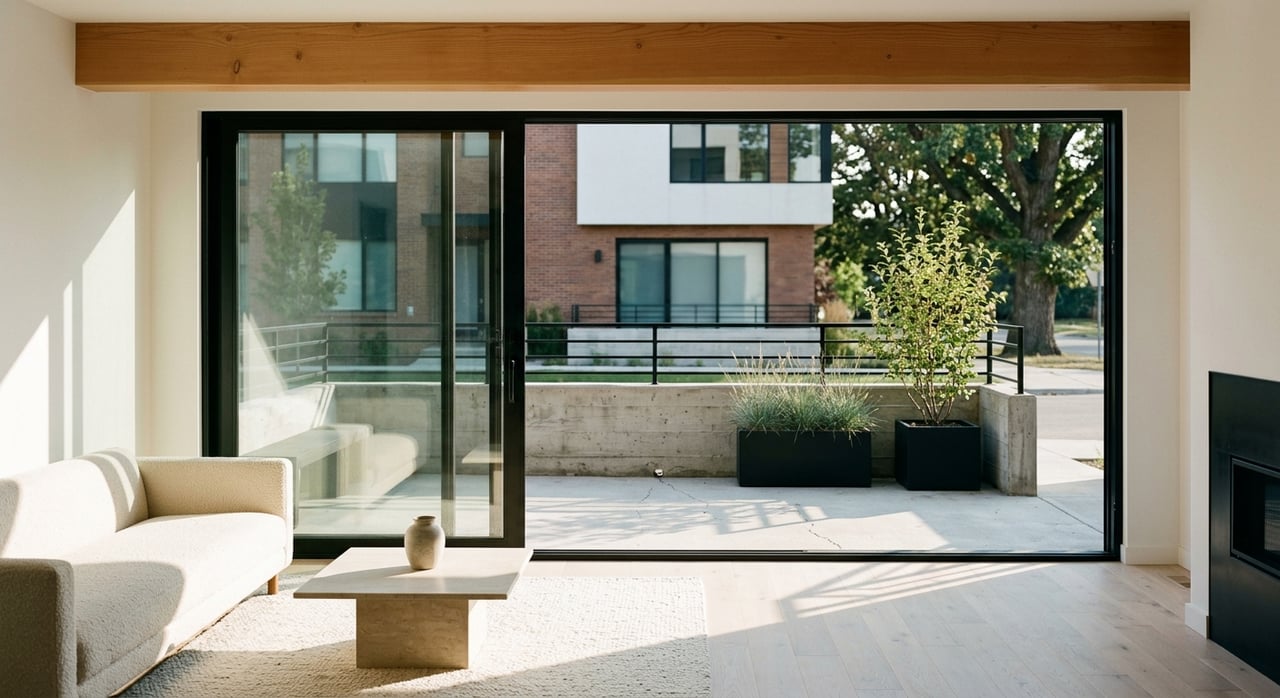
Jefferson Park’s housing mix is one of the most interesting parts of the neighborhood. The area includes older homes with architectural character as well as newer infill projects that reflect the neighborhood’s changing built form.
The city’s pattern-book materials for Near Northwest show the types of housing shaping the area, including 2-story brick walk-up apartments on small lots, 3-story townhome and slot-home projects, and larger apartment buildings. A current neighborhood guide also describes Jefferson Park as a place where turn-of-the-century Victorian cottages and Mission Revival duplexes sit alongside contemporary townhouses and condos.
Old and new exist side by side
For buyers, that means you can find a broad range of home styles in a relatively small area. Some properties reflect Denver’s older residential fabric, while others lean more modern and lower-maintenance in form, especially among townhomes and condos.
For sellers, this design variety can be a real advantage. Distinct architecture, thoughtful updates, and strong presentation often matter in a neighborhood where buyers may be comparing historic character against clean-lined contemporary living.
Growth comes with trade-offs
Jefferson Park’s evolution has not happened without debate. The same city planning process that highlights new housing types also reflects community concern about scrapes, oversized construction, and the loss of neighborhood character.
That balance is important if you are evaluating the area carefully. Jefferson Park can feel design-forward and convenient, but it is also a neighborhood where change is visible, and where conversations about compatibility, preservation, and infill remain part of the local story.
Game Days Near Empower Field
For many people, Jefferson Park’s location near Empower Field at Mile High is part of the fun. The stadium is at 1701 Bryant Street, and its proximity gives the neighborhood a unique rhythm during Broncos games and other major events.
If you enjoy being near the action, this can be a real lifestyle perk. You are close to a major Denver destination, and RTD service to the stadium via the E and W light-rail lines adds another layer of access for event days.
What event days really feel like
The flip side is practical. Stadium proximity can bring traffic, crowd activity, and parking pressure, especially when large events are in town.
The City of Denver actively enforces event-parking restrictions around the stadium area, which tells you a lot about how seriously these impacts are managed. If you are considering Jefferson Park, it helps to think honestly about your tolerance for that kind of event-day energy. Some buyers see it as part of the neighborhood’s appeal, while others will want a quieter daily setting.
Walkability, Bike Access, and Convenience
Jefferson Park is often described as walkable and bikeable, and the research supports that general impression. The city’s planning work notes that residents value access to downtown and nearby transit, while a current neighborhood guide describes the area as walkable and bikeable with easy access to Interstate 25.
In practical terms, this is the kind of neighborhood where local errands, coffee runs, and short trips can often happen without a long drive. At the same time, you are still close to major routes and central Denver destinations.
Nearby spots add everyday ease
City planning outreach identified neighborhood gathering spots such as 2914 Coffee, Pinwheel Coffee, Blackeye Coffee, Shift Cycle, Jefferson Park Pub, and Awake. 5280 also notes nearby options like Briar Common Brewery, Little Machine Beer, the Children’s Museum, Downtown Aquarium, Elitch Gardens, Meow Wolf, and Ball Arena.
This is a meaningful part of daily life in Jefferson Park. You are not choosing between a residential setting and urban convenience. You are choosing a neighborhood where both tend to exist in close range.
The Trade-Offs to Know
No central neighborhood is all upside, and Jefferson Park is no exception. The same planning feedback that praises parks, views, and connectivity also raises recurring concerns about traffic, parking, highway noise, and gaps in park amenities.
There are also bigger-picture concerns tied to neighborhood change. City feedback notes worries about gentrification, rising property taxes, and older affordable homes being replaced by larger, more expensive new builds. Those issues do not erase the neighborhood’s strengths, but they do shape how Jefferson Park is evolving.
Is Jefferson Park right for you?
Jefferson Park may be a strong fit if you want:
- A central Denver location near downtown
- Access to parks, trails, and skyline views
- A mix of historic homes and newer infill options
- A neighborhood with active street life and event energy
- Walkable and bikeable access to nearby amenities
It may be less ideal if you prefer:
- A quieter setting farther from stadium activity
- Easier parking and less event-day congestion
- A neighborhood with less visible redevelopment
- More separation from highways and central-city traffic
What Buyers and Sellers Should Notice
For buyers, Jefferson Park offers a distinctive mix of location, design variety, and outdoor access. It is especially compelling if you want urban convenience with a stronger connection to parks and trails than some other close-in neighborhoods provide.
For sellers, the neighborhood’s identity can be a major asset when a home is positioned well. Buyers are often drawn to Jefferson Park for its architectural contrast, city views, and access to central Denver, so thoughtful preparation and storytelling can make a meaningful difference in how a property stands out.
If you are weighing a move in or around Jefferson Park, working with an advisor who understands both the neighborhood’s lifestyle appeal and its infill dynamics can help you make a more confident decision. If you want a strategic, design-minded perspective on buying or selling in Denver’s central neighborhoods, connect with Rachel Gallegos.
FAQs
Is Jefferson Park in Denver walkable and bikeable?
- Yes. City planning feedback and current neighborhood guides describe Jefferson Park as walkable and bikeable, with access to downtown, nearby transit, and river paths.
What types of homes are common in Jefferson Park Denver?
- Jefferson Park includes Victorian cottages, Mission Revival duplexes, contemporary townhouses, condos, walk-up apartments, and other infill housing types.
How busy are game days in Jefferson Park?
- Game days can bring added traffic, parking restrictions, and crowd activity because of the neighborhood’s proximity to Empower Field at Mile High.
What makes Jefferson Park different from other central Denver neighborhoods?
- Jefferson Park stands out for its mix of downtown views, neighborhood parks, river-trail access, and close proximity to major event venues and urban amenities.
What are the trade-offs of living in Jefferson Park Denver?
- Common trade-offs include event-day congestion, parking pressure, highway noise, and the visible effects of ongoing redevelopment and infill.
Is Jefferson Park a good fit for buyers who want design-forward homes?
- It can be, especially if you appreciate a mix of historic architecture and newer contemporary townhomes or condos in a central location.