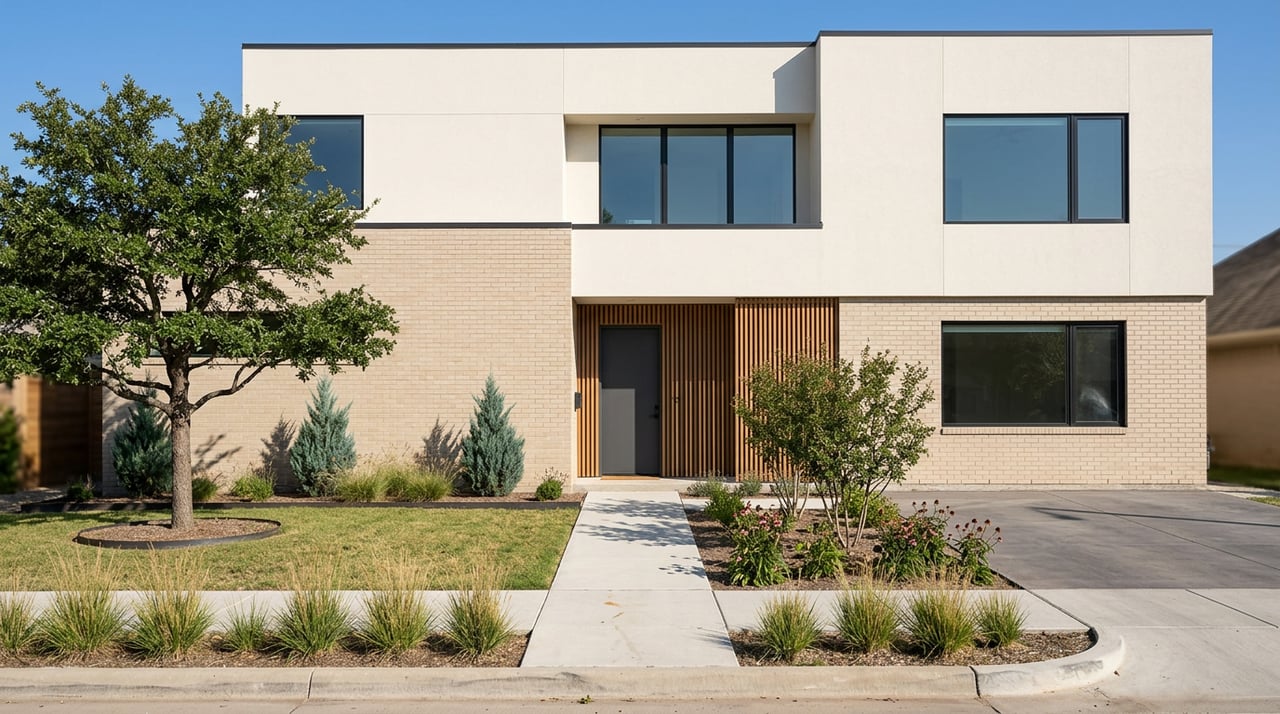
If you own a home in Hilltop, your dirt may be worth more than you think. Larger lots and low inventory have kept this neighborhood on every builder’s radar, which can change how you approach renovation, expansion, or a sale. In this guide, you’ll learn how to read your lot’s potential, what Denver’s updated ADU rules unlock, how builders price land, and a simple framework to compare renovate versus redevelop. Let’s dive in.
Why Hilltop lots command attention
Hilltop is known for generous parcels, tree-lined streets, and proximity to Cranmer and Crestmoor parks. Typical lots trend larger than the Denver average, with a neighborhood median around 8,700 square feet. Limited supply, high-quality housing stock, and a premium buyer pool support strong resale values. That mix increases lot value and keeps demand steady for teardowns and new infill homes.
When lots are larger, you have more options. You can expand within setbacks, add an accessory dwelling unit if allowed, or pursue a full redevelopment. The right move depends on zoning, costs, and the price a new-build could command in Hilltop.
What zoning allows on your lot
Start with your zone district
Zoning controls height, setbacks, buildable area, and uses. Begin by confirming your parcel’s zone district and whether your property falls under the Denver Zoning Code or older Chapter 59 rules. The City’s overview explains the major zone categories and how form and use standards apply to single-family lots. Review the Denver Zoning Code overview, then verify your exact parcel details with the City’s zoning staff.
If your plan requires a rezoning, factor in time and risk. Denver’s Rezoning Process typically spans about 4 to 6 months from application to final decision, with public hearings and community input. That timeline affects carrying costs and feasibility.
ADUs after the citywide update
Denver adopted a citywide ADU text amendment effective December 16, 2024. In many residential zones, ADUs are now allowed with design limits tailored to the district. This can change both your living flexibility and your lot’s income potential. Explore the City’s Citywide ADUs page and the permitting details for ADU permits to see what size, height, and placement rules apply.
Overlays, landmarks, and trees
Before you sketch plans, confirm whether your lot is in a historic or landmark district or is subject to a design or streetscape overlay. Properties in landmark contexts often need a Certificate of Appropriateness and additional review. Parkway setbacks and protected public trees can also influence placement, cost, and timing. The Denver Zoning Code overview links to the City’s code and guidance you can use to identify these constraints.
How builders and appraisers price land
Understanding how professionals think about land value will help you interpret offers and set realistic expectations.
- Sales comparison: When there are enough recent vacant-lot or teardown-comp sales, appraisers and investors compare those to estimate your lot’s value.
- Allocation or extraction: If most sales are of older homes, analysts allocate a portion of each sale price to the land and the rest to the improvements to derive an implied land value.
- Land residual: Developers usually start with the expected price of a finished new-build on your lot, then subtract construction costs, fees, financing, carrying costs, and a target profit. The remainder is what they can pay for the land. The Appraisal Institute outlines these methods in its land-valuation resources, including the residual approach used broadly in infill work. Learn more about common land-valuation techniques from the Appraisal Institute.
In practical terms, this is why a builder’s offer may feel lower than neighborhood resale comparables. They are pricing to a pro forma that leaves room for risk and a market-rate return.
Renovate or redevelop: a simple framework
1) Quick zoning screen
Confirm what your lot allows as of today: building forms, height, setbacks, lot coverage, and whether an ADU is allowed. If your concept needs a rezoning or a variance, add 4 to 6 months for a typical rezoning timeline and plan for public hearings and conditions. Start with the Rezoning Process.
2) Market check for finished value
Ask, what would a comparable new-build of your target size and finish sell for in Hilltop right now? Then look at recent renovated sales to bracket the likely value after a remodel. The spread between these two values is a key signal for your best path.
3) Cost estimate ranges
Collect order-of-magnitude quotes for three scenarios: targeted renovation, major renovation, and ground-up new construction. Include site work, permits, utility work, impact fees, parkway or tree mitigation, and ADU costs if applicable. Local builders report wide ranges for Denver new construction depending on design complexity and finish level. Use multiple bids and published ranges as a gut check. For background, see this Denver-focused overview of new-build costs from Block Renovation.
4) Rough financial test
Compare two paths. A: likely value after renovation minus the renovation budget. B: likely sale price of a new-build minus total development costs and carrying costs. If B materially exceeds A, selling to a builder or redeveloping may pencil better. This is the same residual logic appraisers and developers use, summarized by the Appraisal Institute.
5) Non-financial and timing factors
Consider your tolerance for disruption, relocation needs, and timing. A rezoning or complex permit path can add months. Neighborhood engagement and design review, when applicable, can add steps too. These soft costs matter, especially if you value certainty and a predictable move date.
6) Renovation ROI perspective
Some targeted projects historically recoup a high share of cost on resale. Examples include garage doors, minor kitchen updates, new siding, and deck additions, depending on your property and market. Whole-house luxury remodels often deliver a lower percentage ROI, though they can boost livability and energy performance if you plan to stay long term. Use the industry’s benchmark data in Remodeling’s Cost vs. Value report to prioritize scopes.
Quick Hilltop lot-potential checklist
Use this 30-minute checklist to size up options before you hire a design team:
- Confirm zoning and overlays. Review the Denver Zoning Code overview and note your district, allowed forms, setbacks, and height. Flag any historic, design overlay, or parkway constraints.
- Check ADU eligibility and limits. Read the City’s Citywide ADUs update and the ADU permits page for design and placement rules.
- Pull comps in three buckets. Look at recent Hilltop sales for new-builds, thoughtfully renovated homes, and any teardown or land trades to bracket values.
- Get two to three contractor quotes. Price a targeted renovation, a major renovation, and a new-build to realistic finish levels. Use a broad reference like Block Renovation’s Denver guide to sanity-check ranges.
- Do a simple residual test. Ask any builder-buyer for a written pro forma that shows their assumed finished value, construction budget, fees, finance, and profit. This clarifies their lot offer.
- Contact the City early. If you need entitlement clarity, request a Zoning Verification or a Pre-Application review through Community Planning and Development, or email [email protected]. For map changes, study the Rezoning Process.
Risks and common pitfalls
Even smart plans can be derailed by avoidable issues. Keep these in view as you evaluate your next step.
- Regulatory change and timing. Text amendments or policy shifts can alter what is allowed and how long approvals take. Always confirm current rules on the Denver Zoning Code overview and watch active City updates.
- Historic or streetscape constraints. Landmark contexts, design overlays, parkway setbacks, or protected public trees may require design adjustments and add time.
- Scarce land comps. Vacant-lot sales in elite neighborhoods are rare, so appraisers and buyers often lean on residual models. Ask for method clarity or consult professionals familiar with infill valuation.
- Construction-cost volatility. Labor and materials pricing moves quickly. Build in contingencies and lean on current bids, with industry indices like RSMeans as a backdrop. A quick price pulse can be found in RSMeans summaries, such as this city cost index overview.
Putting it together for Hilltop
When you combine Hilltop’s larger lot sizes with strong buyer demand and the City’s expanded ADU allowance, you get real optionality. Some owners will unlock value by adding an ADU and making targeted upgrades. Others will net more by selling to a builder or by redeveloping with a clear design and go-to-market plan. Your best path depends on your zoning capacity, your real after-cost math, and your timing goals.
If you want a discreet, high-level assessment, we can help you weigh your choices. Our team pairs design-forward marketing with development-savvy guidance, from pre-development advice to curated private-buyer outreach and Compass Concierge preparation. If you are considering a quiet, off-market outcome or a staged public launch, we can model both and guide you with clarity.
Ready to explore your Hilltop options with a calm, strategic approach? Connect with Rachel Gallegos to get a tailored lot-potential read, a clear renovate-versus-redevelop path, and access to our private buyer network.
FAQs
What makes Hilltop lots valuable in Denver?
- Larger-than-average lot sizes, limited inventory, and strong buyer demand combine to support higher land value and steady interest from builders.
How do Denver’s 2024 ADU updates affect Hilltop owners?
- The citywide ADU amendment effective December 16, 2024 broadened where ADUs are allowed and set zone-specific design rules, which can add income potential and flexibility for many lots.
How long does a rezoning take in Denver and why does it matter?
- Typical rezonings take about 4 to 6 months with public hearings, which affects feasibility, carrying costs, and your project timeline.
How do builders decide what to pay for a teardown lot in Hilltop?
- They estimate the sale price of a new home on your lot, subtract construction, fees, financing, carry, and a target profit, and the remainder is the land price using a residual method.
What should you ask a builder who makes a lot offer?
- Request a written residual pro forma that shows their finished-value assumption, construction budget, fees, financing, timeline, and profit target so you can evaluate the math.
If I plan to stay, which renovations usually offer better ROI?
- Industry data shows targeted projects like minor kitchen updates, garage doors, siding, and decks often recoup a higher share of cost than full custom remodels, though results vary by home.
Do landmarks, overlays, or trees limit teardowns or additions in Hilltop?
- Yes, landmark contexts, design overlays, parkway setbacks, and protected public trees can add review steps or constrain design, which may increase cost and time.