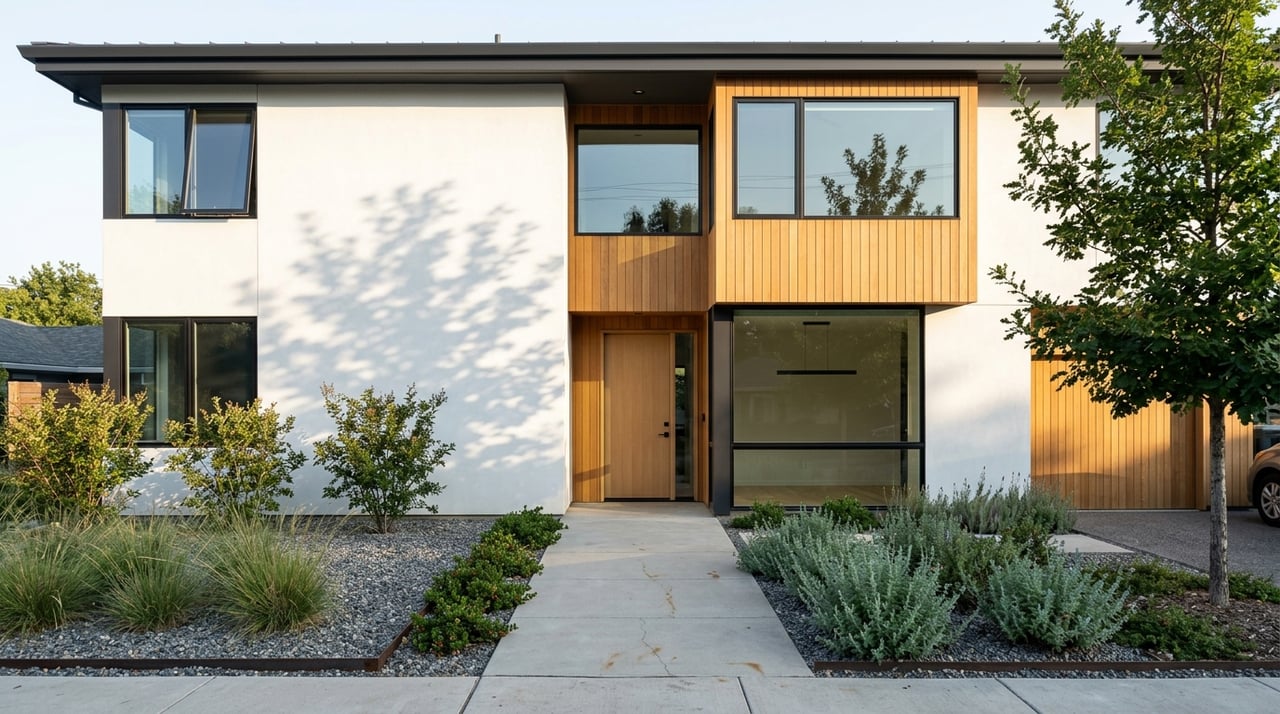
If you are drawn to homes with character, light, and thoughtful updates, Cory-Merrill is worth a closer look. This south-central Denver neighborhood offers an interesting mix of original postwar houses, expanded homes, and newer replacement builds, which means design quality can vary as much as square footage. If you know what to look for, you can spot the homes that balance livability, architecture, and long-term value. Let’s dive in.
Why Cory-Merrill Appeals to Design-Minded Buyers
Cory-Merrill has an established feel that comes from deep neighborhood roots and decades of change. Its history stretches back to South Denver in the 1800s, and the area grew over time into a residential neighborhood with more than 2,000 homes.
That layered history matters when you start touring properties. Instead of one uniform housing style, you will find compact postwar homes, remodeled originals, and larger replacement houses, often on the same block. For a design-minded buyer, that creates real opportunity, but it also calls for a sharper eye.
The neighborhood is bounded by South University Boulevard, East Mississippi Avenue, East Tennessee Avenue, South Colorado Boulevard, and Interstate 25. Because of those edges, the feel can shift from block to block, so location within the neighborhood is part of the design equation as much as the house itself.
Start With the Block
A well-designed home does not exist in isolation. In Cory-Merrill, the block you choose can shape your daily experience just as much as the floor plan.
Homes closer to Colorado Boulevard or I-25 may feel busier than interior residential streets. If you value quiet outdoor space, softer street presence, or a more tucked-away feel, it is smart to compare multiple blocks before you focus on finishes alone.
As you tour, pay attention to a few simple details:
- Traffic noise at the front and back of the property
- Sidewalk condition along the lot
- Tree canopy and shade coverage
- How much hardscape covers the yard
- The relationship between the house and neighboring homes
In a neighborhood with substantial variation, a strong block can elevate an otherwise modest house. The reverse is also true.
Understand the Postwar Housing Story
One of the most important things to know about Cory-Merrill is that many homes began as small single-story residences built in the late 1940s. Developer Les Tremblay built tract homes here for returning World War II soldiers, and some of those original houses were quite compact.
That history explains why proportion matters so much in this neighborhood. Many homes have been expanded, remodeled, or replaced over time, so the question is not simply whether a house is larger or newer. The better question is whether the design respects the lot, the scale, and the original logic of the home.
For buyers who care about architecture, this is where Cory-Merrill becomes especially interesting. You may find a smaller original home with beautiful light and a smart addition, or a newer build with generous square footage but less balance in its massing and layout.
What Good Design Looks Like Here
In Cory-Merrill, strong design often shows up in restraint and cohesion rather than flashy finishes. Because many homes evolved from modest footprints, the best ones usually feel resolved, not overworked.
Look for interiors where room flow feels natural and where additions connect smoothly to the original structure. A kitchen or family room expansion should not feel like an abrupt change in ceiling height, circulation, or window placement.
Natural light is another major test. In compact original homes, good design often comes from opening sightlines, improving glazing, and making each room feel intentional rather than cramped.
Signs of a thoughtful remodel
- Additions that align with the scale of the original home
- Consistent flooring, trim, and window choices
- Clear circulation between older and newer spaces
- Rooms with strong natural light
- Storage integrated without crowding the plan
- Indoor and outdoor spaces that feel connected
Signs to pause and look closer
- Awkward transitions between original rooms and additions
- Large square footage gains with little functional improvement
- Overbuilt massing on a modest lot
- Finish upgrades that do not address layout or livability
- Dark interior zones despite recent remodeling
Prioritize Permit and Renovation History
Design quality is important, but documentation matters too. In a neighborhood where many homes have been altered over time, you will want to understand what was done, when it was done, and whether it was properly permitted.
Denver requires permits for most construction, alteration, or repair work on private property. The city’s current code framework includes the 2025 Building and Fire Codes, adopted June 13, 2025, with the energy code based on the 2021 IECC.
That makes renovation records a meaningful part of your due diligence. If a home advertises a newer kitchen, addition, windows, insulation, HVAC system, or efficiency upgrades, ask how the work was completed and documented.
Key questions to ask during showings
- Were additions and major remodels permitted?
- When were windows, insulation, and HVAC updated?
- Were any efficiency upgrades made to the building envelope?
- Has the electrical or mechanical system been modernized?
- Are there records for exterior changes or structural work?
A beautiful home should also make sense behind the walls. For design-minded buyers, the best outcome is a house that pairs visual clarity with sound execution.
Check for Landmark or Historic Review Limits
Most of Cory-Merrill is not governed by neighborhood-wide historic review, but some individual properties may be landmarked or located within a historic district. If that is the case, Denver design-review rules can apply to exterior alterations, additions, signs, and site work.
This is especially important if you are buying with plans to rework the front facade, expand the footprint, or make other visible exterior changes. Before you assume a future project is straightforward, confirm whether any design-review requirements apply to that specific property.
For a buyer who values both character and flexibility, this step can help avoid surprises later.
Evaluate Outdoor Space as Part of the Design
In Cory-Merrill, the lot is part of the architecture. Outdoor space plays a meaningful role in how a home lives, especially in a neighborhood where many properties started with smaller interiors.
Denver notes that adjacent property owners maintain sidewalks and may apply for a free street tree in the public right-of-way. That means curb appeal is not just about facade updates. Sidewalk condition, tree placement, shade, and the balance between planted space and hardscape all affect long-term livability.
Denver Parks & Recreation also emphasizes growing urban canopy and climate resilience. For you as a buyer, that supports a practical strategy: look for lots with mature shade trees, usable patios, and enough open area for thoughtful landscaping instead of paving every inch.
Outdoor features worth noticing
- Mature trees that provide shade
- Patio areas with clear function and privacy
- Yard layouts that leave room for planting
- Limited impermeable surface where possible
- Sidewalks and frontage that appear maintained
The best outdoor spaces in Cory-Merrill do not need to be large. They need to feel usable, comfortable, and connected to the home.
Look for Long-Term Efficiency Potential
A design-minded purchase is not only about how a home photographs today. It is also about how well it will perform over time.
Because of Cory-Merrill’s postwar housing stock, many homes offer upside through selective upgrades. Insulation, air sealing, improved glazing, and electrification-ready mechanical systems can increase comfort and efficiency without stripping away the qualities that made the home appealing in the first place.
This is where thoughtful buyers often separate cosmetic remodeling from meaningful design investment. A house with strong proportions and a well-sited lot may offer better long-term value than a heavily styled home with weaker fundamentals.
Consider Daily Access and Lifestyle Flow
Cory-Merrill works well for buyers who want a residential setting with convenient access to key Denver destinations. The neighborhood sits next to Bonnie Brae, Washington Park, and Belcaro, and it offers practical connections to I-25 and the University of Denver light rail station.
The University of Denver notes that campus is reached from RTD light rail lines E, F, and H, with the University of Denver station at the north end of campus. That can be a real advantage if you want central access without choosing a denser urban setting.
CMNA also notes short bike access to Washington Park, Bonnie Brae, the shops on Old South Gaylord, and the landscaped Archdiocese of Denver and St. John Vianney grounds. For many buyers, that combination of residential calm and connected convenience is part of the neighborhood’s appeal.
The area is also associated with nearby public-school anchors including Cory Elementary, Merrill Middle, and South High School. If these are relevant to your search, it is helpful to confirm current attendance and enrollment details directly with the appropriate district or school sources.
A Smart Showing Strategy for Cory-Merrill
When you tour homes here, it helps to look past surface styling and study how the property actually works. In a neighborhood with original small homes, additions, and replacement builds, design judgment matters.
A practical showing strategy is to compare each home across the same core categories:
- Block feel
- Lot usability
- Natural light
- Floor-plan flow
- Addition quality
- Renovation documentation
- Outdoor function
- Future upgrade potential
That approach helps you see beyond staged finishes and focus on what will matter after move-in. In Cory-Merrill, the most compelling homes are often the ones where architecture, updates, and site planning work together quietly.
If you want a more design-centered read on homes in Cory-Merrill, Rachel Gallegos can help you evaluate not just what looks good today, but what will hold value and live well over time.
FAQs
What types of homes are common in Cory-Merrill, Denver?
- Cory-Merrill includes a mix of original late-1940s postwar homes, expanded houses, remodeled properties, and newer replacement homes, with noticeable variation from block to block.
What should design-minded buyers look for in Cory-Merrill homes?
- Focus on natural light, room flow, addition quality, lot usability, outdoor space, and whether updates feel integrated with the original structure.
Why do permits matter when buying a remodeled Cory-Merrill home?
- Denver requires permits for most construction, alteration, or repair work, so permit history helps you verify that additions, systems, and upgrades were completed with proper documentation and code compliance.
Are all older Cory-Merrill homes subject to historic design review?
- No. Historic design review is not a neighborhood-wide rule in Cory-Merrill, but it can apply if a specific property is individually landmarked or located in a historic district.
Is Cory-Merrill a good fit if you want outdoor space in Denver?
- Cory-Merrill can be appealing for buyers who value outdoor living because lot design, patios, sidewalks, and tree canopy are meaningful parts of the neighborhood’s livability and long-term value.
How accessible is Cory-Merrill to other parts of Denver?
- The neighborhood offers access to I-25, the University of Denver light rail station, and nearby destinations such as Washington Park, Bonnie Brae, Belcaro, and Old South Gaylord.