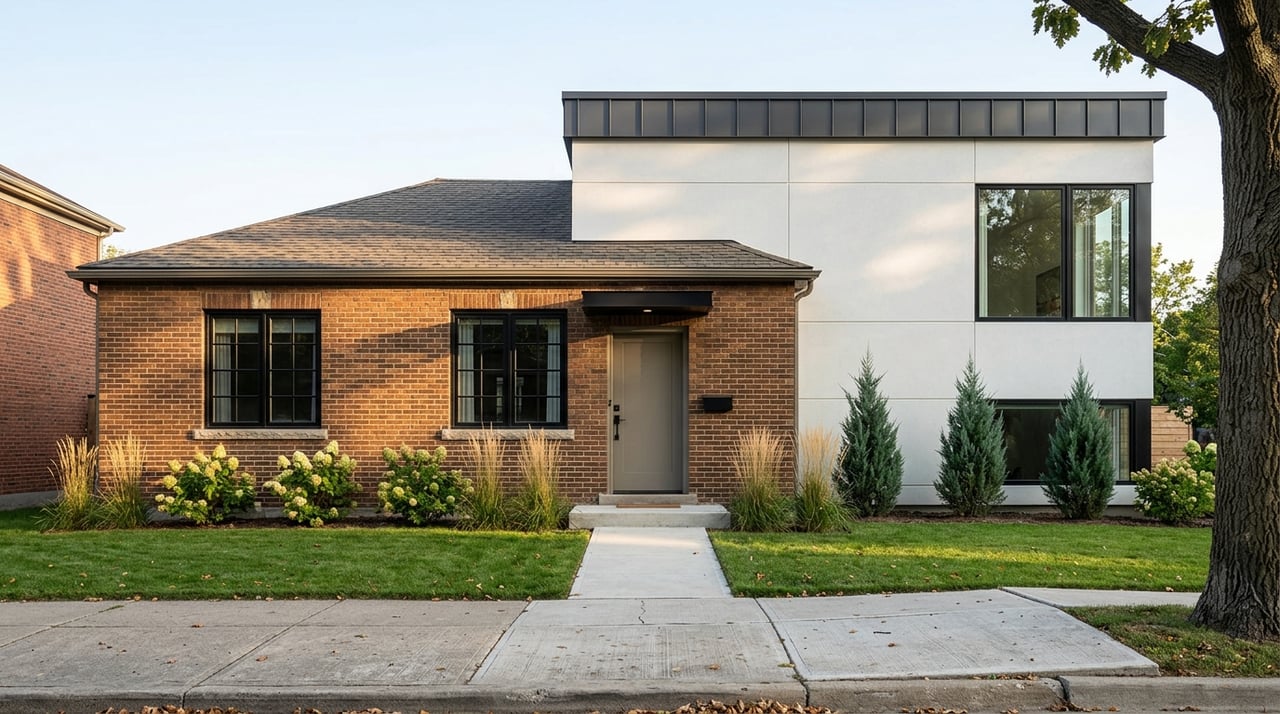
Curious why Wash Park feels so visually rich from block to block? The answer is not one signature house type, but a layered architectural story that has unfolded over more than a century. If you are buying, selling, or simply trying to understand what gives this neighborhood its character, knowing the major home styles can help you read the streetscape with more confidence. Let’s dive in.
Why Wash Park feels layered
Washington Park is often described as both historic and contemporary, and that mix shows up clearly in the homes around it. The park itself spans 165 acres and includes two lakes, gardens, a lawn bowling green, and a recreation center, which helped shape the area as a lasting residential destination.
The neighborhood’s roots trace to the late 19th century, with residential construction around the park underway by the early 1900s. That timing matters because it helps explain why early-20th-century house types set the historic tone, while ranch homes and newer infill arrived later as additional layers.
For you as a buyer or seller, this means Wash Park is best understood as a neighborhood with architectural depth. Rather than expecting one uniform look, you can expect a mix of older brick homes, porch-front bungalows, lower-profile ranches, and modern construction that responds to the block in different ways.
Denver Squares define the historic core
Among the most recognizable historic forms in Wash Park is the Denver Square. Denver Landmark Preservation materials describe this style as boxy and symmetrical, usually one to two-and-a-half stories tall, often built in red or beige brick, with hipped or gabled roofs and a central or slightly offset entry.
You will also often see grouped windows and porches with either classical or Craftsman-inspired columns. In practical terms, these homes tend to read as formal and balanced from the street, which is part of why they continue to anchor so many established blocks.
What a Denver Square looks like
A classic Denver Square usually has:
- A boxy, symmetrical shape
- Brick construction, often red or beige
- A hipped or gabled roof
- Grouped or tripartite windows
- A porch or stoop with a more formal presence
This style is closely tied to a four-square floor plan concept, with four square rooms on the first and second floors. That layout often creates a more vertically organized home with clearly defined living spaces.
Why buyers notice this style
If you are drawn to traditional room separation, a Denver Square may feel especially appealing. These homes often support distinct living and dining areas and a strong front-to-back sequence that feels orderly and intentional.
From a resale standpoint, that architectural clarity can also be part of the home’s appeal. Buyers who value historic character often respond to the symmetry, brick detailing, and established presence these homes bring to a Wash Park street.
Craftsman bungalows add warmth and scale
If the Denver Square feels formal, the bungalow tends to feel more intimate. Denver’s guidelines describe Craftsman bungalows as homes with low-pitched roofs, broad overhanging eaves, exposed rafters or purlins, and porches supported by brick piers or masonry foundations.
These homes often feature a front-gabled porch, an offset entry, small dormers, and divided-light windows in the upper sash. In Wash Park, they help create a softer, porch-centered rhythm that contrasts nicely with the taller, more structured Denver Square form.
What a bungalow looks like
A Wash Park bungalow often includes:
- A lower roofline
- Wide eaves
- Exposed rafters or purlins
- A front porch with brick or masonry supports
- A compact footprint
- Small dormers and detailed windows
Because of their massing and lower profile, bungalows typically feel more approachable and grounded. Their front porches also strengthen the connection between the home and the street.
Why this style still resonates
For many buyers, the bungalow offers historic charm on a smaller scale. The lower roofline and porch-heavy façade can make the home feel more relaxed and less formal than a two-story square house.
That design can also support a lifestyle centered on comfort and connection. If you value a stronger indoor-outdoor feel at the front of the home and less vertical circulation, this style often stands out.
Ranch homes show a later era
Ranch homes represent a different chapter in Denver’s residential history. A Denver historic-context survey describes the ranch as a type commonly built in the 1950s through the late 1960s in Denver, typically with a single-story mass, a long rectangular or L-shaped plan, deep eaves, low-pitched roofs, picture windows, and an attached garage.
In Wash Park, ranches are better understood as later arrivals than part of the neighborhood’s original architectural fabric. That distinction matters because they often feel visually and functionally different from the early homes that first defined the area.
How to spot a ranch
Look for these common traits:
- One-story silhouette
- Long horizontal footprint
- Low-pitched side- or cross-gabled roof
- Picture or tripartite windows
- Attached garage
The ranch plan is often described in three zones: automobile space, living space, and sleeping space. That arrangement helps explain why ranch homes tend to feel more casual and easy to navigate.
What ranch living offers
If single-level living matters to you, the ranch style may be especially attractive. These homes generally support easier circulation and a daily routine that is more integrated with the garage and side entry than with a formal front porch.
In a neighborhood known for older housing stock, ranches can offer a useful contrast. They bring a lower-slung profile and a mid-century rhythm that broadens the architectural range of Wash Park.
Contemporary infill shapes the present
One of the most important parts of Wash Park’s housing story is contemporary infill. Denver’s Landmark Preservation guidelines say new construction in historic districts should be compatible with surrounding context, including setbacks, massing, entries, porches, roof forms, and materials, while still being recognizable as current construction.
That creates an important balance. A new home does not need to copy a historic style exactly, but it should respect the larger patterns of the block.
What compatibility means in Wash Park
In practice, the key question is often not whether a new home looks old. It is whether the home fits the street in scale, setback, and front-door orientation.
That is why contemporary infill can feel modern without seeming disconnected. When done well, it responds to the neighborhood grid and streetscape while using present-day materials and detailing.
What buyers and sellers should watch for
If you are evaluating a newer home in Wash Park, pay attention to:
- How the home sits on the lot
- Whether the front entry relates to the street
- The overall massing compared with nearby homes
- Roof forms and façade rhythm
- Material choices that signal current construction
For sellers, this is where architectural storytelling matters. A contemporary home often performs best when its design is framed not just as modern, but as intentionally connected to the character of its surroundings.
A quick guide to reading the block
When you walk a Wash Park street, you can often identify the neighborhood’s architectural layers quickly.
| Style | What to Look For | General Feel |
|---|---|---|
| Denver Square | Boxy brick form, symmetry, grouped windows, formal porch | Traditional and vertically organized |
| Bungalow | Low roofline, broad eaves, porch with brick piers, compact massing | Intimate and porch-centered |
| Ranch | One-story form, horizontal shape, picture window, attached garage | Casual and single-level |
| Contemporary infill | Modern details with block-sensitive massing and setbacks | Current yet context-aware |
This mix is what gives Wash Park much of its visual interest. The neighborhood is not defined by one architectural language alone, but by the way different eras sit beside one another.
Why architecture matters in Wash Park real estate
In a neighborhood like Wash Park, architecture is more than a style preference. It shapes how a home lives, how it presents from the street, and how buyers understand its value.
A Denver Square may appeal because of its symmetry and defined rooms. A bungalow may stand out for its warmth and approachable scale. A ranch may attract buyers looking for single-level living. A contemporary infill home may resonate with those who want modern design that still respects the neighborhood context.
For sellers, understanding that distinction helps you position your home more clearly. For buyers, it helps you narrow what actually fits your lifestyle rather than simply reacting to finishes or square footage.
If you are exploring Wash Park real estate, it helps to work with someone who can see both the design story and the market story. To talk through architectural character, positioning, or opportunities in this neighborhood, connect with Rachel Gallegos.
FAQs
What architectural styles are most common in Wash Park homes?
- Wash Park is best known for early-20th-century Denver Squares and Craftsman bungalows, with later ranch homes and contemporary infill adding newer layers to the neighborhood.
What defines a Denver Square in Wash Park?
- A Denver Square is typically a boxy, symmetrical brick home with a hipped or gabled roof, grouped windows, and a more formal porch or entry.
What makes a Wash Park bungalow different from a Denver Square?
- A bungalow usually has a lower roofline, broad eaves, exposed rafters, and a porch-centered design, which gives it a more compact and intimate feel than a Denver Square.
Are ranch homes part of Wash Park’s original housing stock?
- Ranch homes are generally later additions to the neighborhood, reflecting a mid-century era rather than the early period when Wash Park’s residential growth began.
How does contemporary infill fit into Wash Park?
- Contemporary infill fits Wash Park when it responds to the block’s scale, setbacks, entries, roof forms, and overall massing while still reading clearly as current construction.
Why do architectural styles matter when buying a Wash Park home?
- Architectural style can influence layout, flow, curb appeal, and how a home relates to the street, all of which shape your living experience and the home’s market positioning.